
Remember me
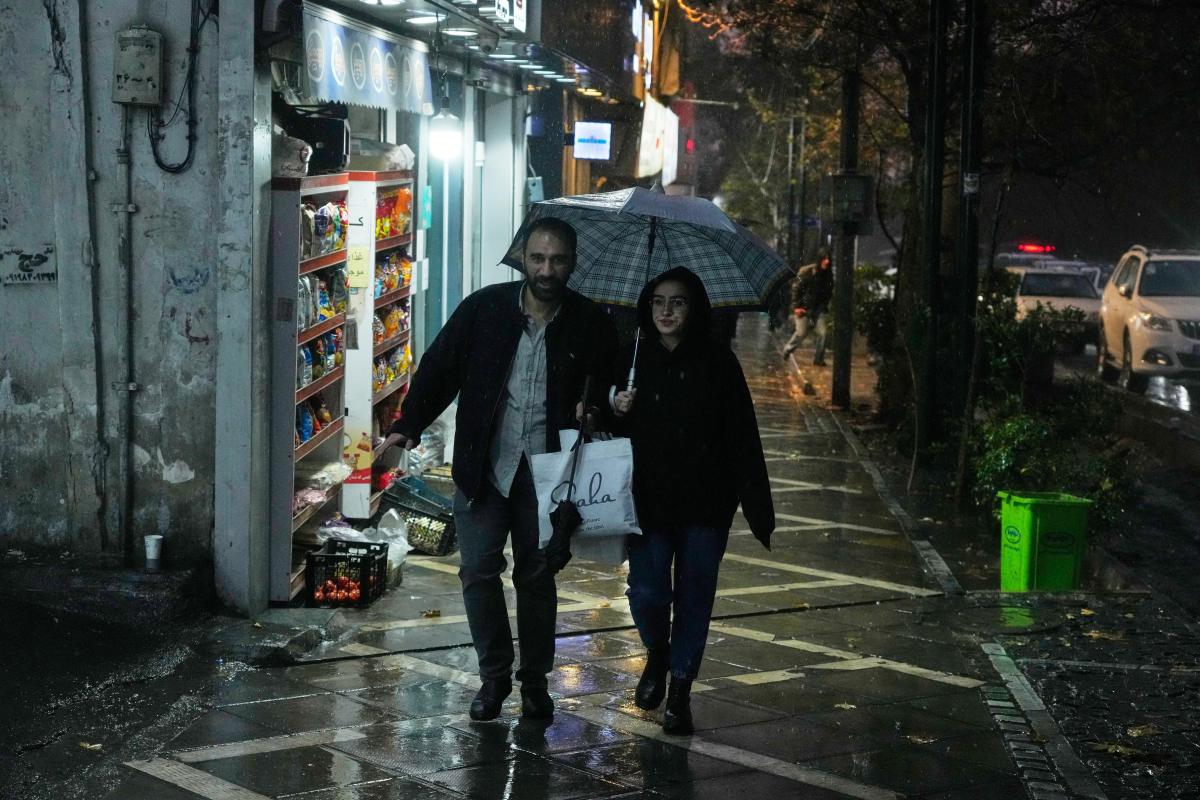







Rain returned to Tehran this week for the first time in months, briefly breaking the city’s long dry spell. But despite the welcome showers, Iran’s deepening water crisis persists, leaving ordinary residents facing pressure cuts, unannounced outages, and early-stage rationing.
Officials warn that the country’s reservoirs, aquifers, and hydropower systems remain under severe strain after the driest period in more than half a century, raising concerns about daily water access for households, farms, and businesses alike.
Newsweek reached out to Iran's Foreign Ministry via email for comment.
Why It MattersIran is under growing pressure after months of exceptionally low rainfall left reservoirs depleted and major dams operating far below capacity. Officials warn that without substantial precipitation before the end of December, Tehran could face serious supply instability, prompting the government to expand cloud-seeding operations to trigger additional rainfall. Longstanding structural problems, like inefficient agricultural use, aquifer overextraction, pipeline leakage, and limited wastewater recycling, have further reduced the country’s ability to withstand this autumn’s sharp rainfall collapse.
The deepening shortages have fueled public frustration, leading to localized protests in several regions. As conditions worsen, authorities have even raised the possibility of partial evacuations in the event of a sustained water shortfall. With pressures mounting, the government faces increasing scrutiny to strengthen conservation efforts and address the systemic failures that have intensified the impact of this season’s extreme dryness.
 What To Know
Meteorological officials report that precipitation over recent months has been only a fraction of normal levels, marking the driest period in more than 50 years. National rainfall is estimated around 5 percent of seasonal averages, while groundwater continues to drop due to decades of overextraction. Tehran and other major regions are seeing accelerated land subsidence as aquifers fail to recover.
Ahad Vazifeh, an official in the government’s Iran Meteorological Organization, called the drought “unprecedented” in an interview with local news outlets last week. He added, “Even if rain in the winter and spring will be normal, we will have 20 percent shortage.”
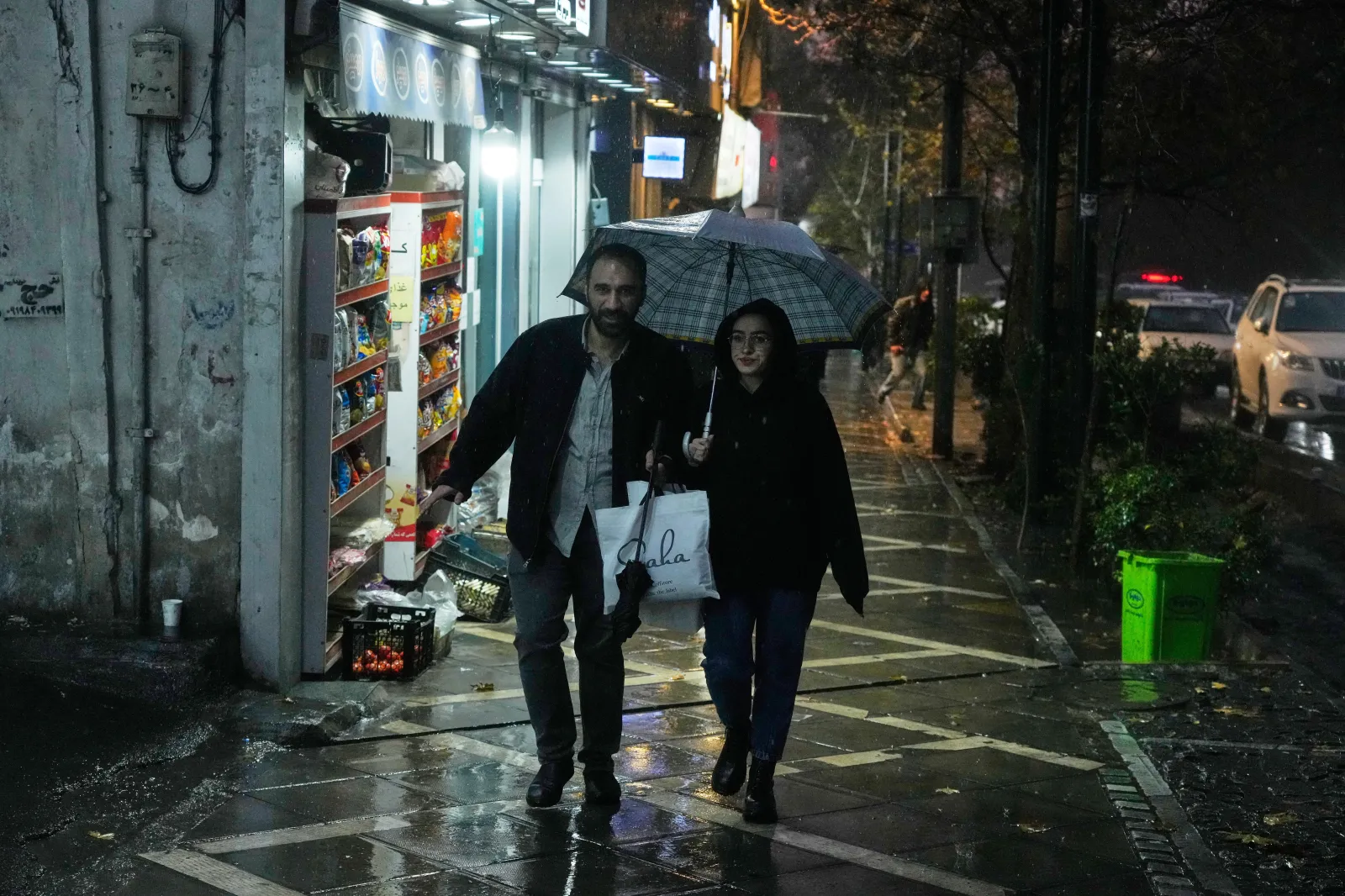
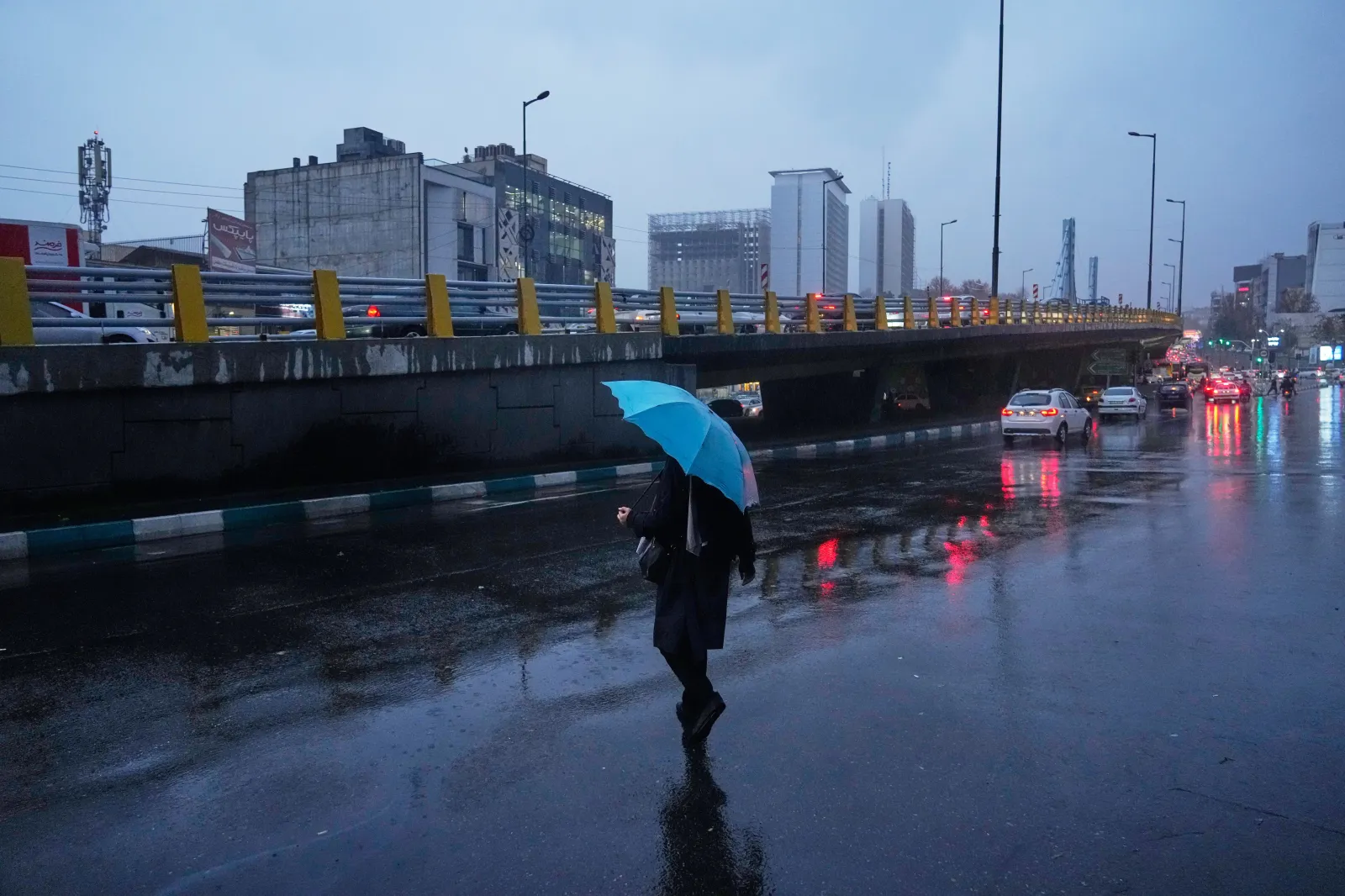
Despite the severity of the drought, Tehran residents greeted the recent showers with relief and a rare sense of joy. The rainfall briefly lifted spirits across the city, clearing some of the dense smog, while many took to social media to share videos of rain-soaked streets.
Reservoirs and Hydropower at RiskWhile the rain brought a rare moment of relief, the broader water crisis remains dire, with the city’s reservoirs and hydroelectric systems still operating at dangerously low levels.
Last week, the Karkheh Dam hydroelectric facility halted electricity generation when its reservoir fell below operational thresholds. Officials say only lower outlets remain capable of releasing water downstream. Water specialists warn that, if current trends continue, significant parts of Tehran could experience severe supply instability within the next decade.
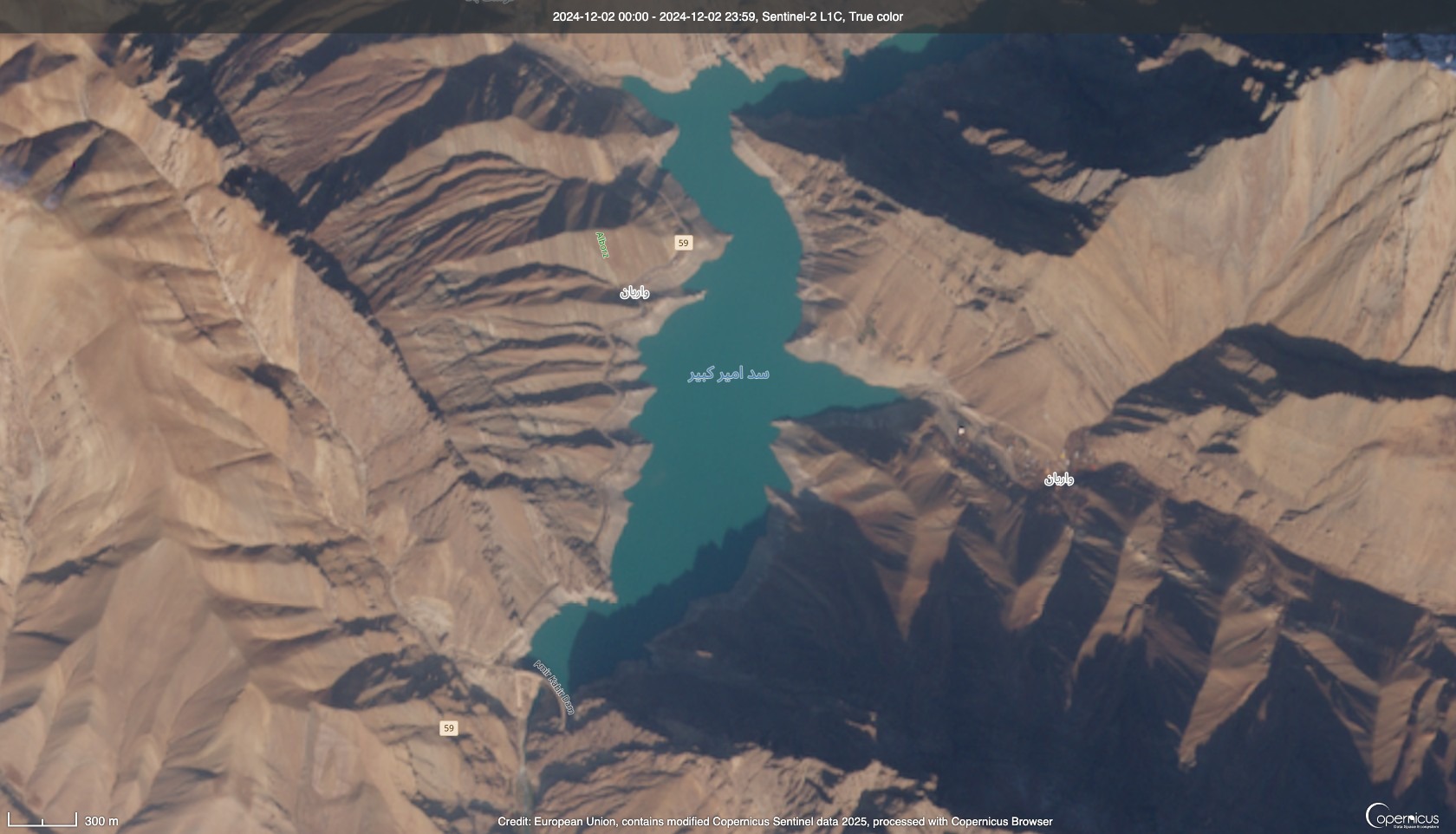
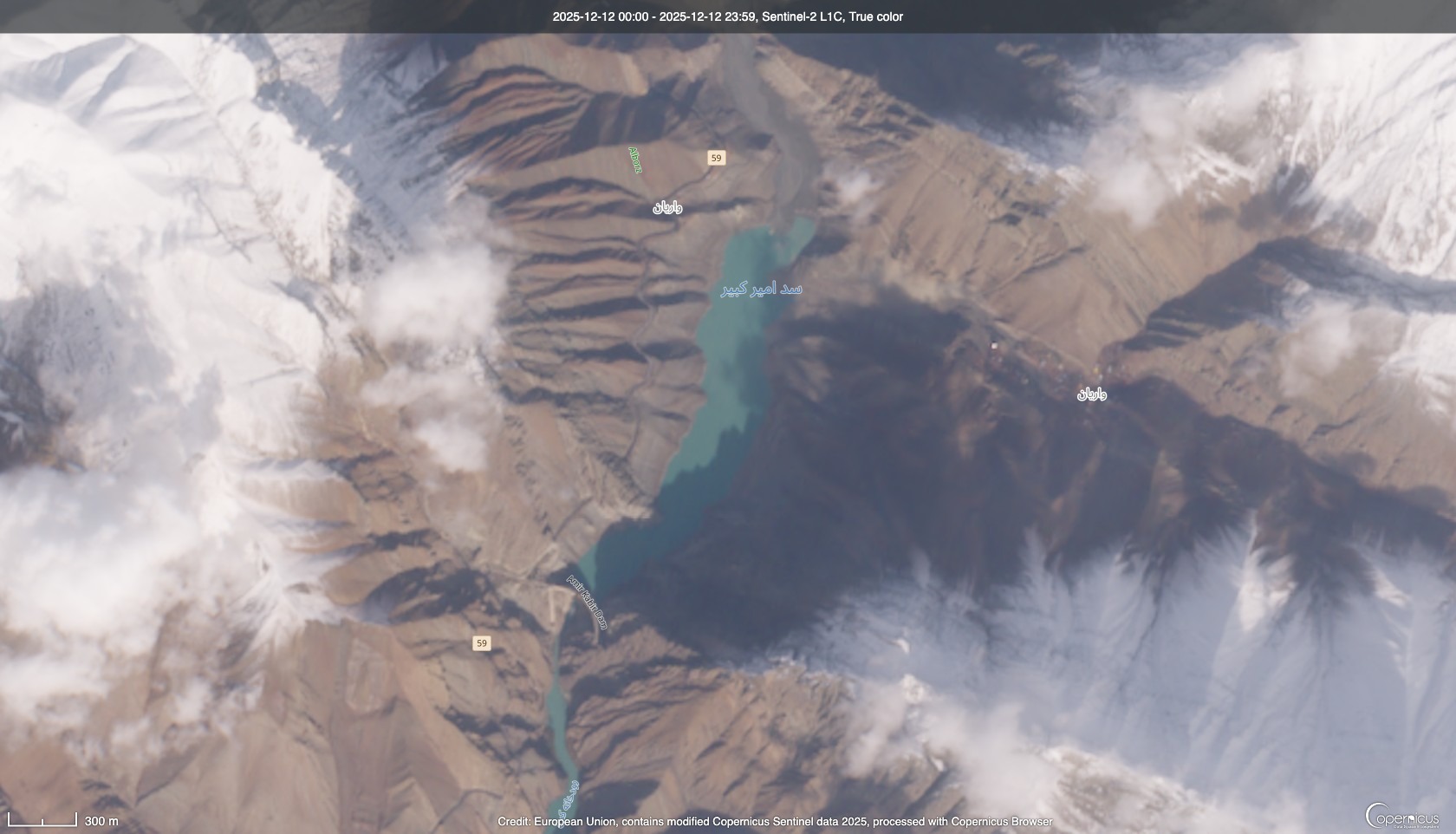
Between 19 and 22 major dams are currently functioning at roughly 15 to 20 percent capacity. Tehran's Latyan Dam is at its lowest level in six decades, Mashhad’s dams are below 3 percent, and Karaj’s Amir Kabir Dam holds under 10 percent of capacity.
The latest European Space Agency Sentinel-2 satellite images show that water levels in Amir Kabir remain extremely low despite recent rainfall, far below levels recorded at the same time last year.
 Government and Media Warn of Escalating Crisis
The state-owned Tehran Times, an English-language newspaper that typically aligns with government messaging, delivered a rare, blunt assessment of the water emergency.
“Iran is facing an unprecedented water crisis that threatens not only its agricultural sector but also regional stability and global food markets,” it reported, highlighting the far-reaching effects on domestic consumption, farming, and the country’s broader economic and social stability.
Amid these warnings, President Masoud Pezeshkian has cautioned that without meaningful rainfall soon, Tehran could approach a Day Zero scenario requiring substantial rationing or even evacuation. Several cities have already begun limited rationing, while pressure cuts and unannounced outages are becoming increasingly common, underscoring the immediacy of the crisis.
 What Happens Next
While the recent rainfall provided a temporary reprieve for Tehran, it is far from enough to replenish critically low reservoirs or offset the long-term effects of the country’s prolonged dry period. Without sustained precipitation and comprehensive reforms to water management, infrastructure, and agricultural practices, Iran is likely to face ongoing shortages that will affect drinking water, farming, and energy production, while increasing public frustration and the risk of social and economic instability in the months ahead.