
Remember me
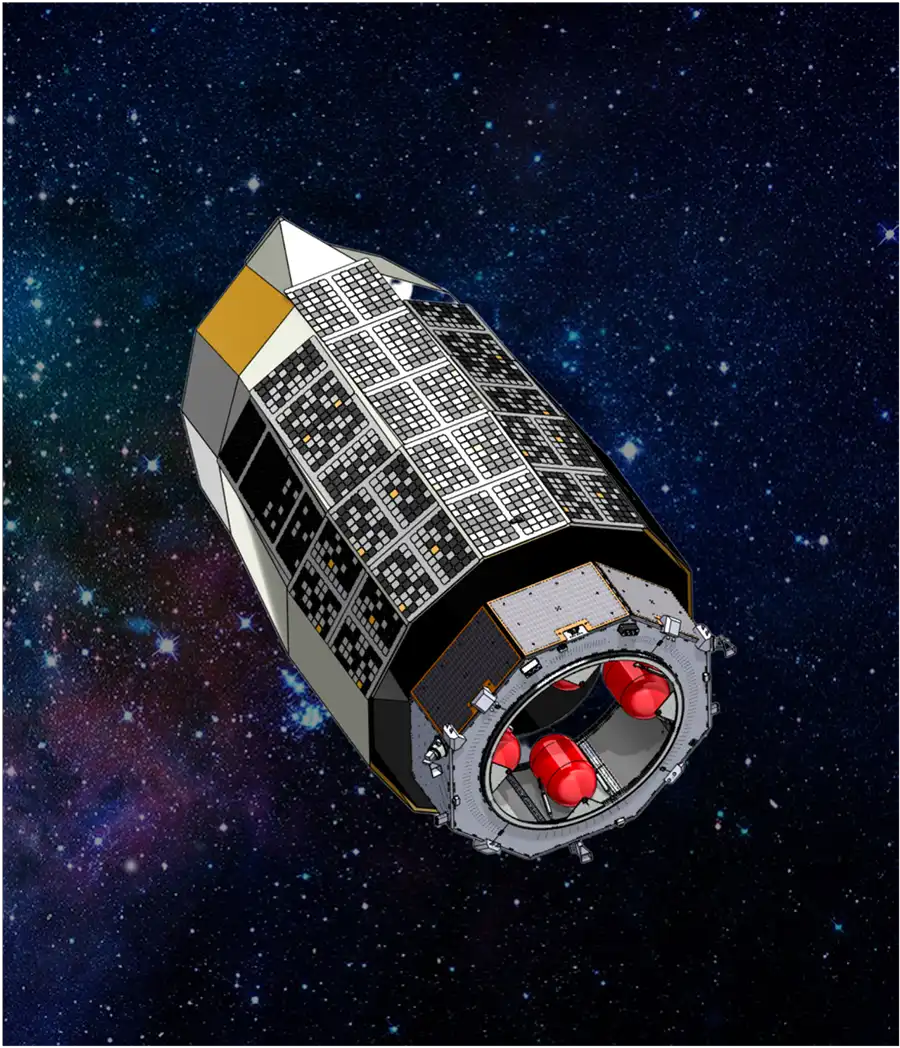



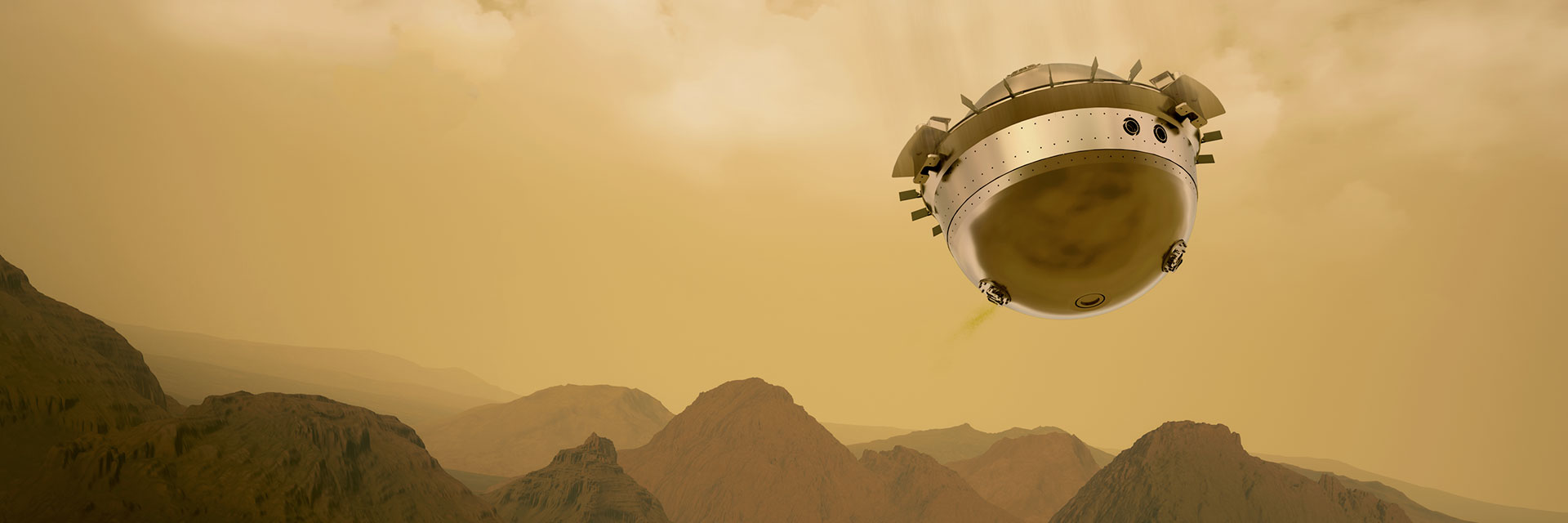
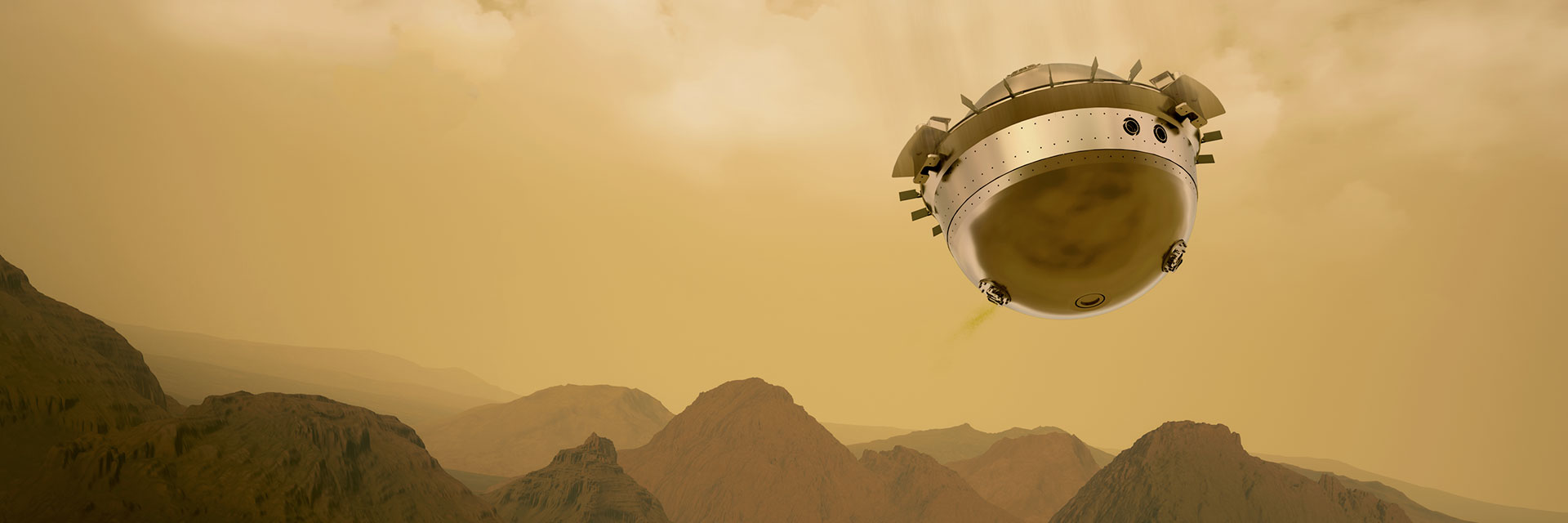 An artist's illustration shows the DAVINCI probe descending through the atmosphere of Venus. Under the Congress's approved budget for NASA, DAVINCI is assured of funding for one more year.
Astronomers, planetary scientists, and space lovers across the country breathed a sigh of relief last week: Congress officially passed a bill funding NASA for 2026. After a likely signature by President Trump, the agency will be able to spend money at levels similar to those of the previous two years.
The bill marks the resolution of more than half a year of funding chaos that began when the White House proposed a 25% cut for NASA, including 47% cuts to its science divisions. Such a plan would have brought the agency to its lowest budget since 1961 when adjusted for inflation, and axed more than 40 missions.
Months later, the House and Senate countered the president with their own suggested budgets; the House cut NASA science funding by 19%, while the Senate kept it level. After a fall season of continued advocacy by scientists, the public, and organizations like The Planetary Society, the final 2026 budget meets nearly all hopes with a $24.4 billion allotment.
The appropriations bill is “so far from the worst-case scenario that a lot of us were anticipating,” says Skylar Grayson, an astrophysics PhD student at Arizona State University and science communicator. “There’s more hope for the future in a way that there has not been since February of 2025.”
The Bill, UnpackedThe bill, H.R. 6938, is what’s known as a minibus, which bundles together multiple funding packages — in this case, those for Commerce, Justice, and Science, Energy and Water, and the Interior and Environment. This year, the bill included specific language requiring NASA to spend “no less than” its allotted amounts — a measure likely designed to prevent the White House Office of Management and Budget from refusing to issue the money, as many people feared.
“There is very little to dislike about this bill for NASA,” says Casey Dreier, Chief of Space Policy at The Planetary Society. “It gave us nearly everything we were asking for.”
To be precise, funding levels were not kept exactly constant, with a 1.7% topline cut to NASA and a 1% cut to NASA Science. And inflation reduces purchasing power, making stable budgets act more like slight reductions. It’s funny to be “celebrating still having some cuts to our funding, just because it’s not as bad as it could have been,” quipped Grayson. But factoring in an additional $10 billion allotted to the agency within the so-called “One Big Beautiful Bill Act,” largely for human spaceflight, the 2026 budget becomes the highest coffer for NASA in almost three decades.
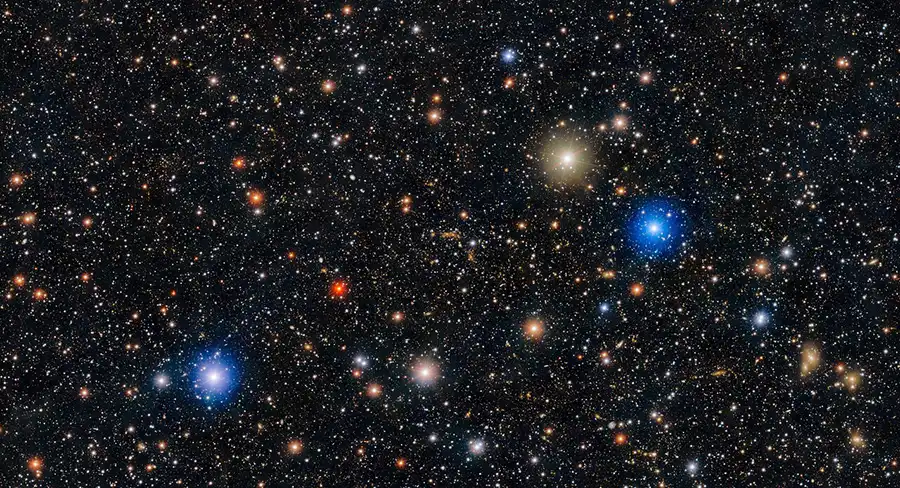
 This collection of 25 images comes from NASA’s Chandra X-ray Observatory. Chandra was canceled under Trump's budget request, but funding is restored in the Congress-approved spending bill.
Some of the many missions Congress saved from cancellation include DAVINCI, VERITAS, OSIRIS-APEX, New Horizons, the Chandra X-Ray Observatory, and the Terra, Aqua, and Aura satellites, as well as NASA collaboration with the European Space Agency (ESA) for the Rosalind Franklin Rover and Laser Interferometer Space Antenna (LISA).
The Nancy Grace Roman Space Telescope was funded at $300 million, twice the White House’s request — a boon for a mission that is running both ahead of schedule and under budget. Roman is set to launch as early as fall 2026; the extra cash “will be crucial for managing any last-minute hiccups on the way to the launchpad,” says Dreier.
The Laser Interferometer Gravitational-Wave Observatory (LIGO), the Nobel-prize-winning facility funded by the National Science Foundation, will receive $80.5 million, saving it from needing to shutter one of its two sites — a proposal that sparked outrage in the spring.
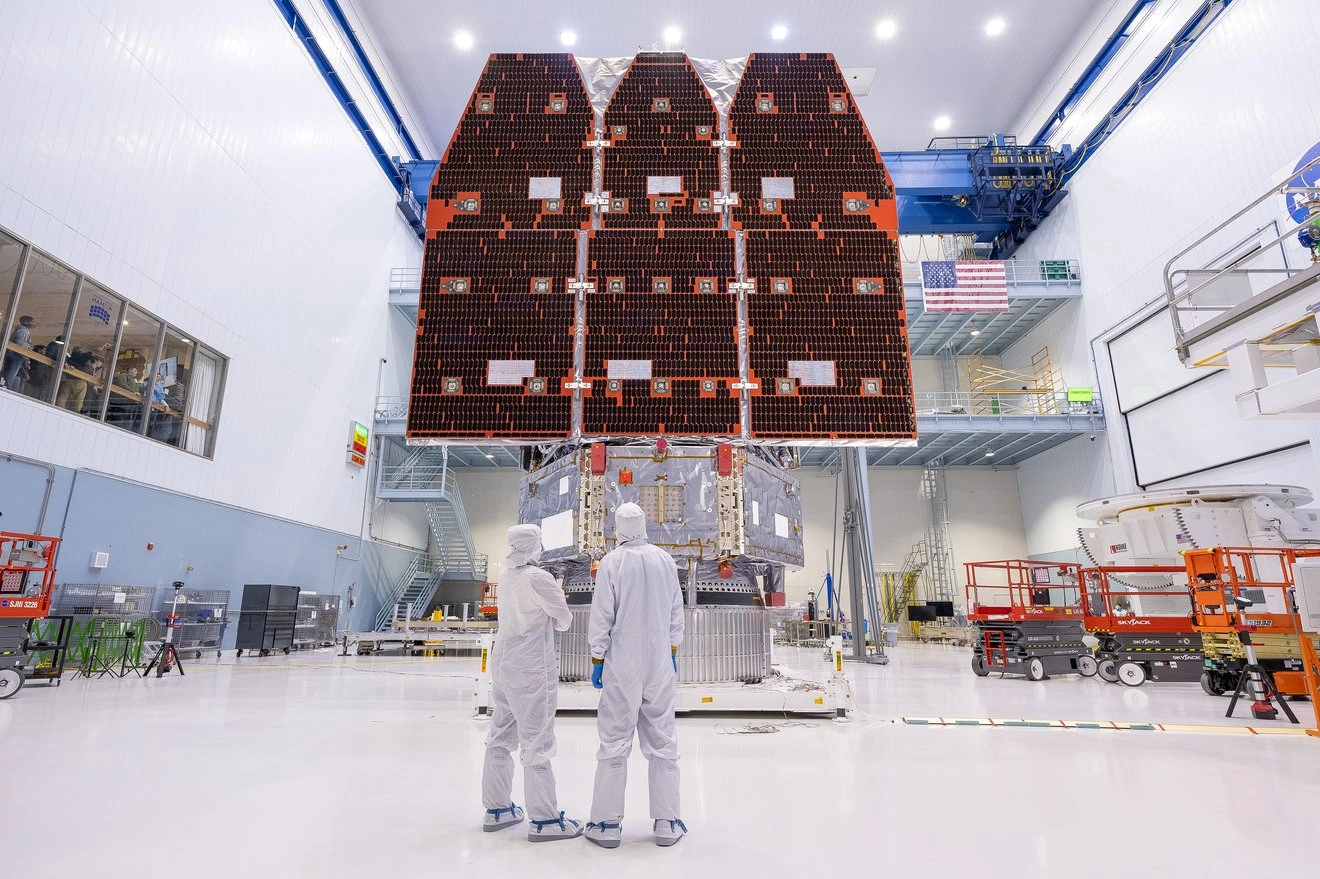 The Nancy Grace Roman Space Telescope could launch as early as this summer, on schedule and under budget.
 One high-profile project wasn’t so lucky: the Mars Sample Return. Plagued by a price tag rivaling that of the James Webb Space Telescope and design plans that were ever in flux, Congress officially declined to fund the mission for 2026. Instead, it set aside $110 million for a program dubbed “Mars Future Missions,” in an attempt to finance science and technology for the Red Planet. This pool may well include many of the same projects proposed for Mars Sample Return (MSR), but without the same topline goal of collaborating with ESA to bring Martian rocks back to Earth.
The decision not to fund MSR is “obviously very disappointing,” says Vicky Hamilton, a planetary scientist at the Southwest Research Institute and chair of NASA’s Mars Exploration Program Analysis Group. “The scientific return from that mission [was] going to inform science for decades, if not centuries.”
Still, Hamilton is hopeful that the money for Mars Future Missions could be used to create technologies that bring down the cost of MSR or find suitable alternatives. Bringing home the rock samples is “still the community's top priority,” she says. “I don't think we should give up on that lightly.” (China is still planning its own sample return from Mars, with a projected launch in 2028.)
Trouble at Goddard?Mars is surely top of mind for NASA’s new administrator, Jared Isaacman, who was confirmed by the Senate in December. A private astronaut and billionaire, Isaacman has pledged to uphold the role of NASA Science while making a stronger push for commercial ties. He is taking over after what was, according to a joint statement from The Planetary Society, the American Astronomical Society, and others issued last week, “in many ways, a lost year for American science” that saw 4,000 civil servants cut via “reductions in force” and buyouts, reduced competitive grant opportunities, and slashed early-career programs.
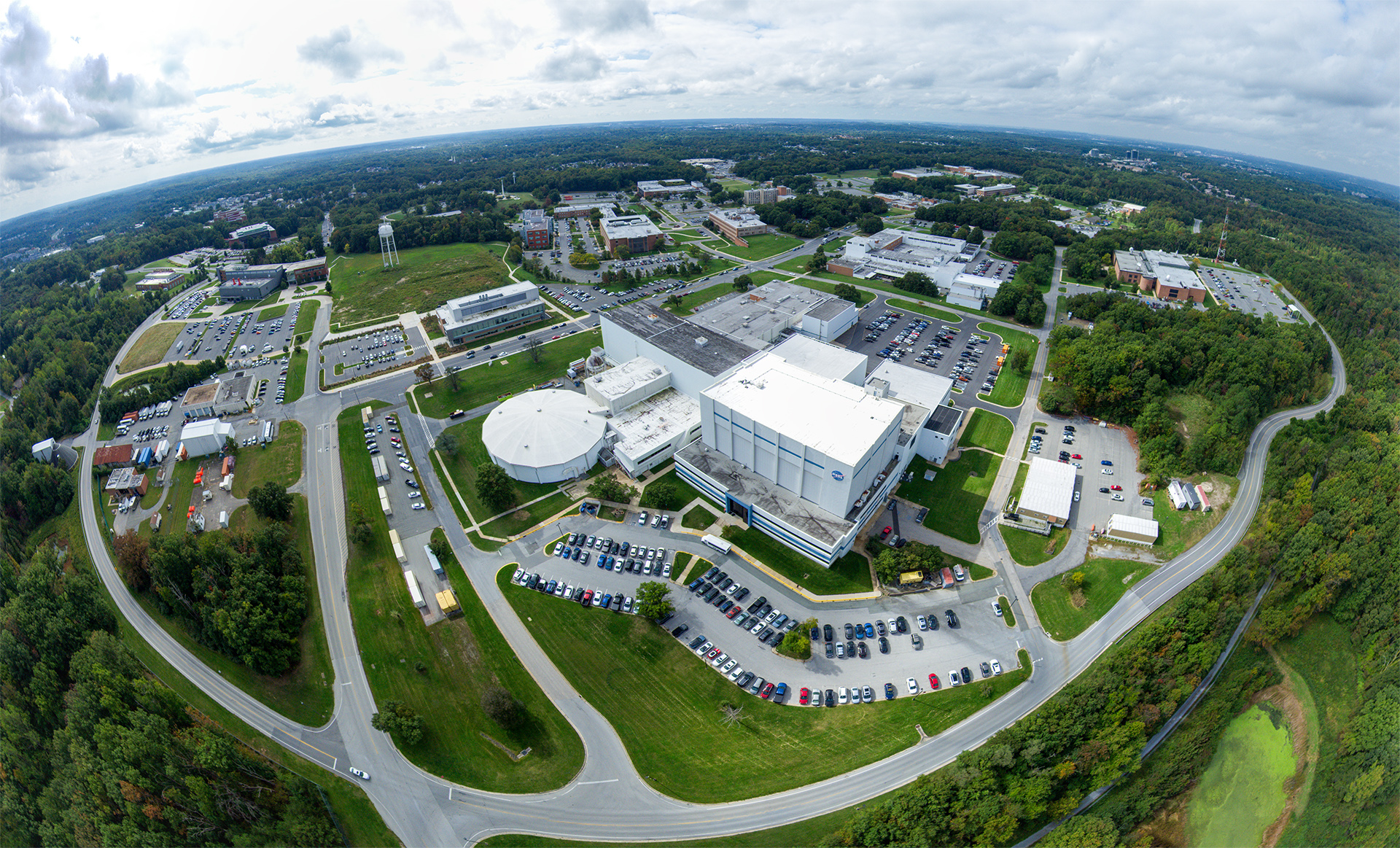 The NASA Goddard Space Flight Center campus
 The space community is also looking to Isaacman for answers about the Goddard Space Flight Center (GSFC), which has been the subject of rumors and leaks about hastily closed laboratories, shuttered buildings, and equipment marked for disposal. A November 14th letter from acting center director Cynthia Simmons and Associate Administrator for Science, Nicola Fox, said claims of the center being shut down or dismantled “could not be further from the truth,” and that consolidating and reconstituting facilities should save $74 million in operating and maintenance costs.
But a week later, on November 21st, the House Committee on Science, Space, and Technology requested a formal, independent audit of NASA’s management of GSFC. “We are deeply concerned that the agency’s actions are degrading Goddard’s scientific and technical capabilities, and that they may be inflicting long-term damage,” said the request. A lack of transparency from NASA was listed as a top concern, especially regarding a supposed push to shutter half of GSFC’s main Greenbelt, Maryland, campus by March 2026.
“The damaging turmoil and chaos constantly imposed by the Administration, starting with a reckless DOGE effort and continuing all year with unconstitutional efforts to cancel programs without congressional input, did tremendous damage [to NASA],” said Representative George Whitesides, a member of the Science, Space, and Technology committee and former NASA Chief of Staff, in an emailed statement. “Make no mistake — the work isn’t done.”
Indeed, while relief about funding is warranted, it may be short-lived. Appropriations are an annual affair; the White House may release its 2027 budget request as soon as February.
In 2025, Grayson was reminded that “you cannot extricate politics from science,” she says. But as a new year begins, a tremendous push of advocacy on behalf of NASA has left her and the community feeling something long-awaited: “cautiously optimistic.”
Comments (0)