
Remember me


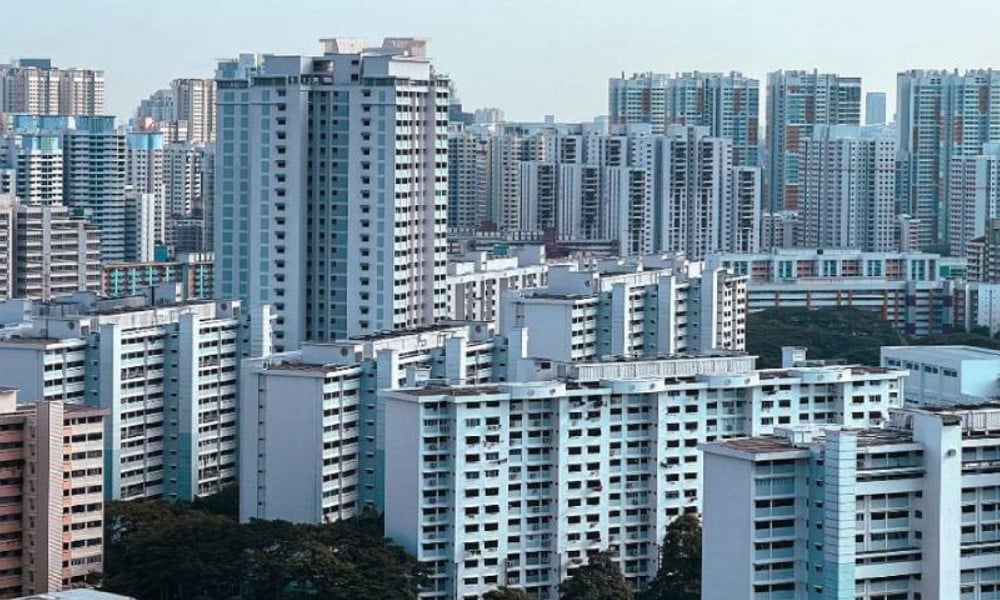




In Singapore’s public housing system, few policies are as consensus-dependent as the Home Improvement Programme (HIP). A block qualifies only if 75 per cent of eligible households vote in favour — a requirement intended to ensure broad support for intrusive in-flat works and communal upgrades.
Yet in the Seng Poh estate of Tiong Bahru, two blocks fell narrowly short of this threshold in the latest round of HIP polling, raising not only local disappointment but wider questions about procedural fairness and the basis for a possible re-poll.
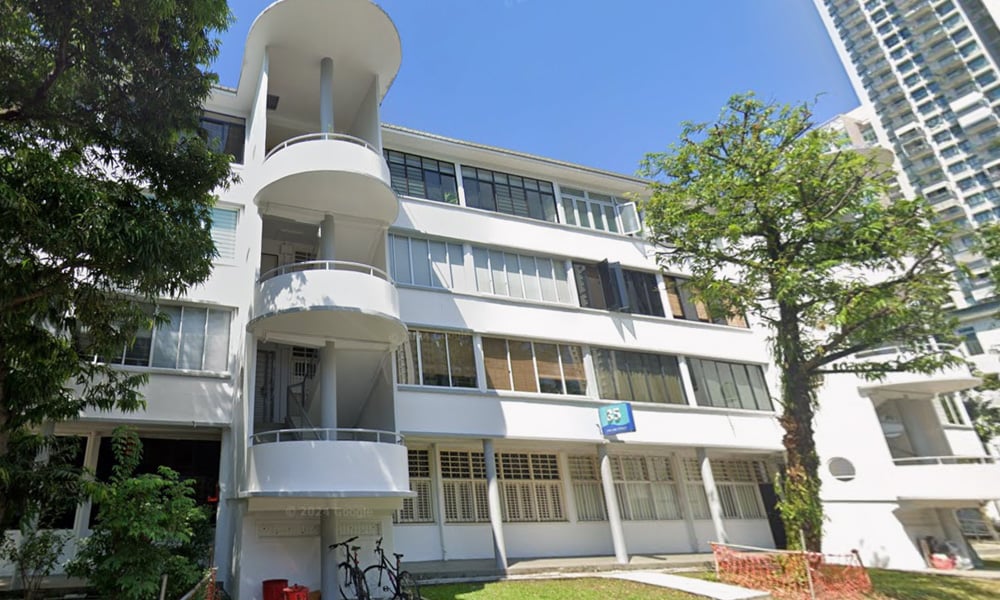
Close results in small blocksAt Block 35 Lim Liak Street, which has 15 eligible households, 11 voted in favour while four did not vote. The block missed the 75 per cent threshold by just one vote.
At Block 34 Kim Cheng Street, with 24 eligible households, 16 supported the HIP, two opposed, and six did not vote — falling short by two votes.
With so few households, the outcome hinges significantly on turnout. Each absentee vote carries disproportionate weight, making the 75 per cent threshold more difficult to meet compared to larger blocks.
This has prompted questions over whether a uniform threshold across all block types is appropriate — and whether re-polling is justified in such tightly contested scenarios.
Residents like Clarence Soh, who spoke to CNA, described months of outreach alongside fellow residents and volunteers, including door-to-door visits and efforts to educate neighbours about the scheme. Despite their efforts, some households remained uncontactable or uninterested in participating.
Robin Loi, a long-time resident of Block 34, told The Straits Times he hoped at least some critical repairs, like the replacement of leaking pipes, could be done regardless of the vote’s outcome. “I just want my leaking pipes to be replaced; the other improvements are not necessary,” he said.
Meanwhile, the Housing and Development Board (HDB) has said it is in discussions with MP Foo Cexiang regarding next steps for the two failed blocks. No decision on a re-poll has been confirmed.
Past re-polls raise procedural questionsThis is not the first time re-polling has surfaced as a possibility. In 2017 and 2023, four blocks — one in Serangoon and three in Lengkong Tiga — were permitted to vote again after initially failing.
In those cases, HDB cited unique resident circumstances such as recent home renovations, and assessed broader factors like MP feedback and contractor availability. These second polls were successful, and HIP works proceeded.
However, such discretionary decisions are not governed by publicly available criteria. There is no formal provision within the HIP framework for a re-poll, nor a structured appeals process. This absence of transparency raises concerns about consistency and fairness across estates.
When outcomes can be revisited — especially in marginal cases — residents may begin to question whether the voting process retains any definitive authority. Without clear guidelines, the line between democratic process and administrative flexibility becomes blurred.
Diverging views on HIP’s valueWhile some residents view HIP as a necessary intervention for ageing flats, others are more sceptical — and in some cases, resistant.
For some, the motivation to support HIP is tied to the prospect of increased resale value. In older estates, a completed HIP can enhance marketability, especially for owners looking to sell their flats within the lease period. This has led to perceptions that support for HIP is stronger among those with near- to mid-term exit plans from the estate.
On the other hand, long-term residents who are satisfied with their current living conditions — particularly retirees or those with recently renovated units — may not see the need for major upgrades. For them, HIP can mean unwanted disruption, noise, and perceived cost burdens.
While essential works are fully subsidised, optional in-flat improvements, such as toilet upgrades, require co-payment. Misunderstandings also persist about what is mandatory and what can be opted out of.
In interviews, grassroots volunteers and MPs described significant efforts to clarify these details. In one instance, volunteers in Hougang even used photographs of older bathrooms — with consent — to demonstrate the scheme’s relevance for elderly neighbours.
Still, not all residents are easily persuaded. A Straits Times interview with a Tiong Bahru resident who works as a graphic designer reflected this ambivalence. She supported HIP but noted that a re-poll may not significantly shift opinions and questioned whether it was necessary.
What’s next — and what should change?A town hall is scheduled for 3 December, where MP Foo will address residents from the two failed blocks. But the broader issue extends beyond Seng Poh estate.
If re-polls are to be part of the HIP mechanism, they should be supported by a formalised, transparent policy framework. Residents must know under what conditions a failed vote can be revisited, who can initiate the process, and how appeals are considered.
Without such safeguards, re-polling — however well-intentioned — risks eroding confidence in the democratic process and creating perceived inequalities between estates.
In a policy that depends on consensus, the legitimacy of that consensus must be clear, consistent, and fair.
Notice: We now publish our news at Heidoh. Follow us on WhatsApp Follow us on Telegram

Comments (0)