
Remember me


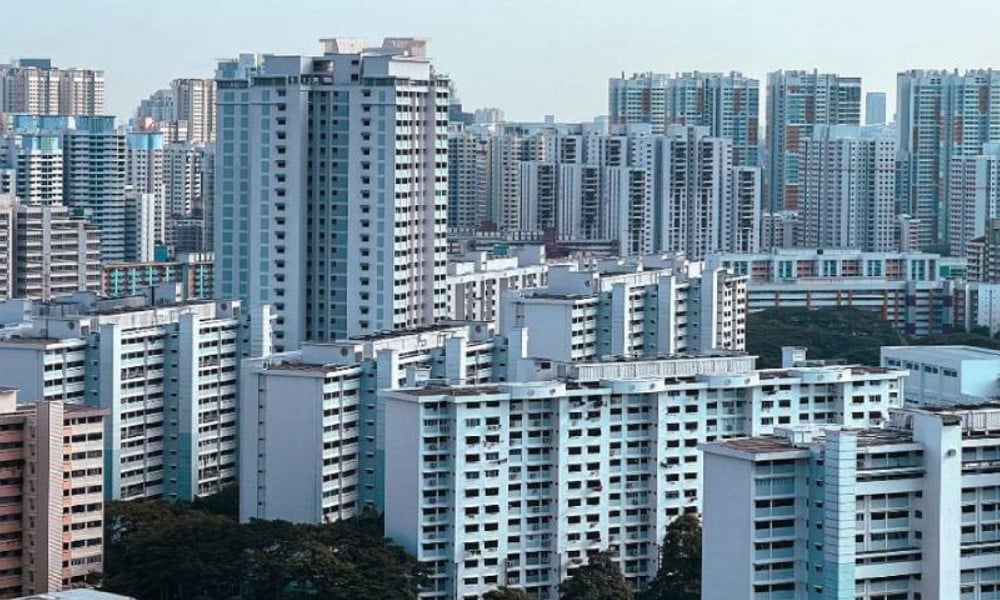



Singapore’s proposed Voluntary Early Redevelopment Scheme (VERS) was announced in 2018 as part of a broader effort to address the long-term implications of ageing HDB estates.
Beyond physical upkeep, the scheme responds to a structural concern: as 99-year leases on HDB flats decline, their market value eventually falls to zero. This poses a financial challenge for many households, particularly seniors, who have used a large portion of their CPF savings to pay for their homes and may rely on flat sales to fund retirement.
VERS aims to offer a managed exit for selected precincts by allowing the government to acquire flats — typically when they reach around the 70-year lease mark — before their value deteriorates further. Affected residents would be compensated and relocated, and the land redeveloped over time.
Unlike the compulsory Selective En bloc Redevelopment Scheme (SERS), which is applied to selected precincts with high redevelopment potential, VERS is meant to be consensual. Flats will only be acquired with the support of residents through a formal vote, though the voting mechanism and thresholds have yet to be finalised.
Yet recent developments in the Home Improvement Programme (HIP) polling process raise concerns about how genuinely democratic — or voluntary — such votes will be.
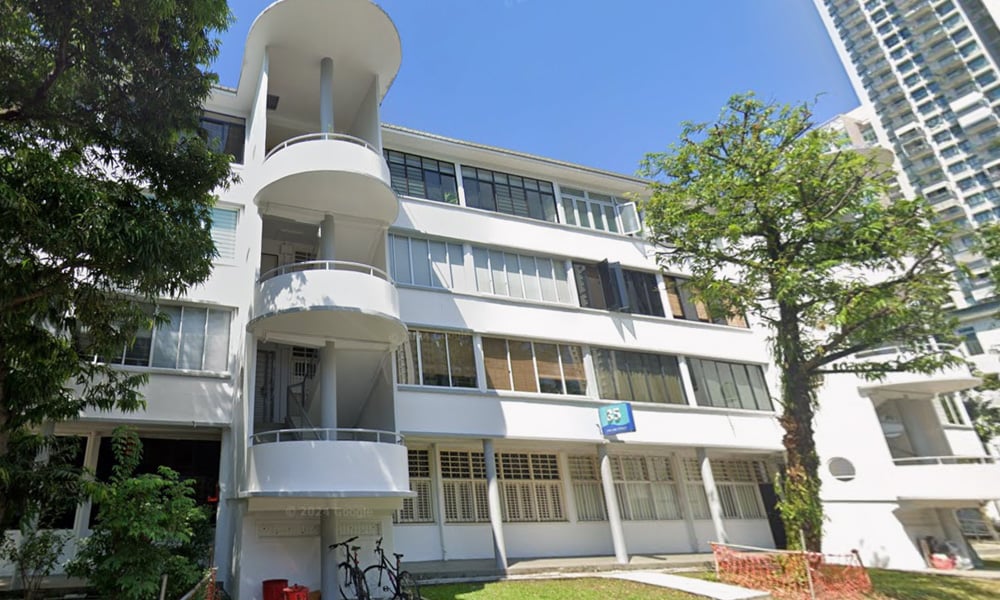
In Tiong Bahru, two blocks missed the 75% threshold for HIP by just one and two votes.
Now, HDB is considering whether to allow a re-poll — despite no formal provision for it in HIP guidelines.
The rationale? Close margins and ongoing resident interest. But the absence of codified rules for re-polling undermines confidence in the process. If a vote can be redone simply because it nearly passed, then the finality of any outcome is cast into doubt.
Even more troubling are anecdotal reports from residents suggesting undue pressure to vote ‘yes’ during HIP polling.
A recent social media comment responding to an editorial on HIP re-polling raised concerns about how voting is conducted at the estate level.
The resident, whose estate had just undergone HIP polling, described their experience and questioned whether the process allowed for fully independent decision-making.

While the views expressed reflect an individual’s perception, they underscore the importance of ensuring that future housing-related votes — particularly under schemes like VERS — are carried out with clear boundaries to protect electoral neutrality and public trust.
If what the resident said is true, this raises troubling parallels with electioneering tactics, not democratic consultation. National elections prohibit any form of direct persuasion within polling stations. But under the current housing poll framework, officials may actively encourage specific outcomes, however well-intentioned — turning what should be a vote of free will into an exercise in social pressure.
Which brings us back to VERS.
The stakes are far higher under VERSUnlike HIP, which involves optional in-flat upgrades, VERS entails the sale and surrender of a resident’s home — often their most significant asset.
Many of the first households to be affected by VERS will be elderly residents, some of whom bought their flats decades ago at lower prices and may have paid for them in cash or cleared their mortgages early. For them, the flat represents stability and the intention to age in place.
Yet, VERS was conceived largely in response to more recent housing trends, where newer buyers have taken on larger loans, often using substantial portions of their CPF savings. The scheme is intended to mitigate the longer-term risks of lease decay for these groups.
However, the irony is that the first to face relocation pressures may be those who least expected or needed it — not because their flats are unliveable, but because the lease clock has run down.
This was a key concern raised in Parliament by Non-Constituency MP Andre Low, who questioned whether seniors might be left with compensation packages that do not cover their housing needs, potentially requiring them to use retirement savings to secure a new home.
He also sought clarity on whether the vote would be conducted at the block or estate level, and how the scheme would treat residents who oppose relocation but find themselves in the minority.
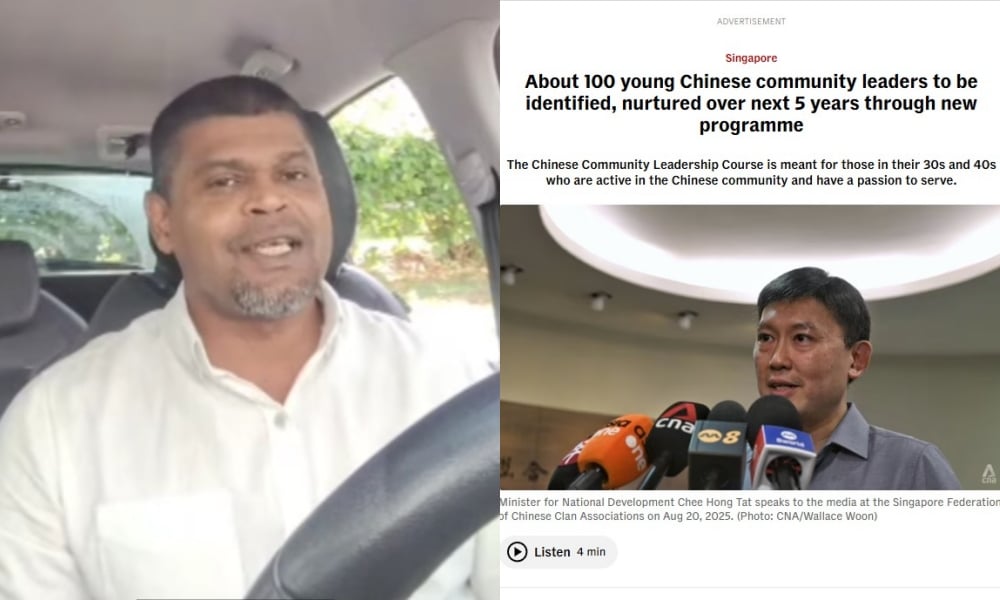
In response, Minister for National Development Chee Hong Tat acknowledged that the majority of residents eligible for VERS would likely be seniors.
He said the government’s approach to housing “gatekeeping” — ensuring residents buy flats that can last them for life — was intended to minimise such risks. He noted that by the time flats reach the 70-year mark and become eligible for VERS, most owners would ideally have paid off their mortgages.
On the question of voting, the Minister agreed that the process must be handled carefully, noting the higher stakes involved compared to HIP.
He added that redevelopment may have to proceed at a cluster level rather than block by block, to ensure a more orderly and practical execution — though specific details would be shared only after further study.
While the government has stressed the voluntary nature of VERS, the discussion suggests that residents in the minority could still be affected if redevelopment is applied across clusters.
As voting procedures are being designed, the question remains whether the scheme can fully protect those who wish to age in place — or if, like with HIP, the outcomes may be shaped as much by process design as by resident choice.
What counts as a “voluntary” vote?If VERS voting ends up operating like HIP — through repeated door-knocking, heavy encouragement, and the option for re-polling — it risks becoming a managed exercise in optics, not genuine choice.
The government has emphasised that VERS should avoid creating a “lottery effect” or becoming a wealth-generation scheme. But if public buy-in is only achieved through subtle coercion, the legitimacy of the programme is at stake.
Moreover, the lack of a transparent and binding framework for how such votes are conducted — including how abstentions are treated, what counts as a mandate, and whether re-polls are allowed — compounds the uncertainty.
Public trust depends on not just what policies achieve, but how they are enacted.
A call for policy clarityAs VERS policy is finalised in the current term of government, the Ministry of National Development must urgently address:
What safeguards will be in place to prevent vote manipulation or pressure? Will re-polling be allowed, and under what conditions? How will dissenting residents be supported, particularly those unwilling or unable to move? Will voting be by block, cluster, or precinct — and what are the implications of each?If the government’s intent is truly to support seniors and ensure housing sustainability for future generations, then the process must be no less rigorous than its purpose.
Singapore’s housing model is one of the world’s most carefully engineered. But for VERS to be credible — and humane — it must also be democratically legitimate.
Notice: We now publish our news at Heidoh. Follow us on WhatsApp Follow us on Telegram

Comments (0)