
Remember me
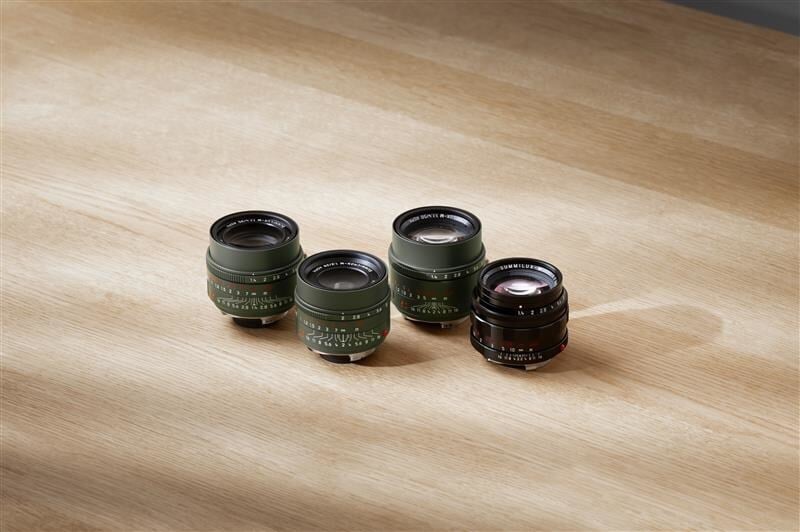
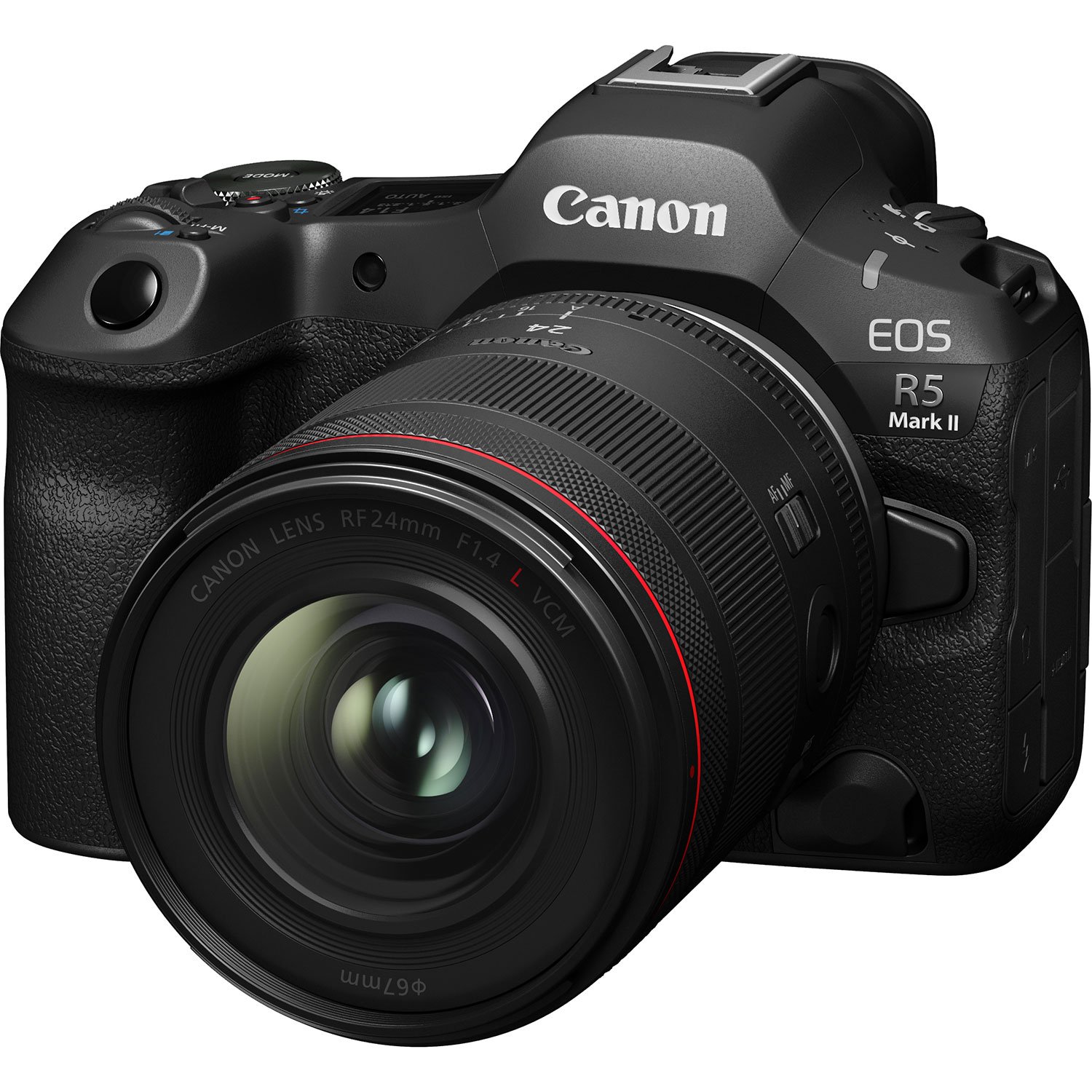

A 24mm lens for wide-angle photography sits in the perfect middle ground. You get broad coverage without intense distortion. This focal length captures whole rooms, big landscapes, and environmental scenes naturally. Many pros keep a 24mm mounted because it handles so many situations well.
The 24mm gives you width without weirdness. Buildings stay straight. People look normal. Your scenes feel immersive without looking stretched or warped. That’s why this focal length works for everything from real estate to night sky shots.
What Makes 24mm Special for Wide-Angle WorkA 24mm lens on full-frame gives you about 84 degrees of coverage. That’s wide enough to capture expansive scenes but controlled enough to keep things looking real.
The Sweet Spot of Wide-Angle PhotographyThis focal length balances coverage and distortion better than ultra-wide options. You can shoot wide-angle landscapes without lines bending too much. Architecture stays recognizable. Group shots look natural.
The 24mm creates depth by making close objects bigger and distant stuff smaller. This pulls viewers into your frame. They feel part of the scene instead of just looking at a flat picture.
How 24mm Affects Your PerspectiveGet close to something and it dominates your frame. Step back and you capture the whole environment. This flexibility makes 24mm useful for storytelling through photography.
The lens emphasizes foreground elements naturally. Rocks in landscape photography become powerful anchors. Street scenes gain context and atmosphere. Everything has space to breathe in your composition.
Landscape Photography ApplicationsLandscape shooters love 24mm for good reason. The focal length captures big vistas while letting you emphasize interesting foreground subjects.
Working with Foreground ElementsPlace something interesting near your lens. Flowers, rocks, or textures become compositional anchors with 24mm glass. The wide angle makes them look important and draws eyes into the frame.

Getting low changes everything. Drop your camera to ground level and watch foreground elements pop. This technique creates dramatic depth in landscapes that pulls viewers through multiple layers.
Managing Light and ExposureDawn and dusk work beautifully with 24mm. You capture colorful skies and maintain foreground detail simultaneously. Side lighting during golden hour reveals texture across your entire frame.
The wide coverage means dealing with exposure challenges. Bright skies and dark foregrounds need attention. Many photographers use bracketing techniques or graduated filters to balance these extremes.
Capturing the Night Sky with 24mmAstrophotographers prefer 24mm lenses because they gather lots of light and capture significant sky portions. Fast apertures like f/1.4 or f/1.8 make shooting stars practical without excessive trailing.
Why This Focal Length Works for StarsThe 24mm hits a perfect balance for astrophotography. You get wide coverage but can still shoot 15-20 second exposures before stars trail. That’s enough time to gather plenty of light.
Prime lenses at 24mm often feature fast maximum apertures. These f/1.4 or f/1.8 openings let you use lower ISO settings. Your images stay cleaner with less noise in the shadows.
Including Environmental ContextAdding foreground elements with star shots creates compelling images. The 24mm lets you frame interesting landscapes or buildings against starry backgrounds. This approach tells better stories than plain sky shots.

According to the Royal Observatory Greenwich, including foreground interest separates memorable astrophotography from simple star documentation. Planning your compositions using dark sky maps and timing tools improves results dramatically.
Architecture and Interior PhotographyProfessional architectural photographers rely on 24mm to capture buildings completely. The wide coverage shows entire rooms in single frames while maintaining believable proportions.
Real Estate Photography DemandsReal estate work needs honest representation without distortion trickery. The 24mm captures generous room coverage while keeping proportions realistic. Buyers see space accurately without feeling deceived.
Keeping your camera level matters enormously. Even slight tilts cause vertical lines to converge with wide angles. Using a tripod with level indicators helps maintain proper architectural lines.
Maximizing Tight Interior SpacesPosition yourself in room corners to capture maximum area. This technique works great for bathrooms, kitchens, and smaller bedrooms. You simply can’t back up further in tight spaces.
The wide field often includes windows and interior spaces in single frames. That creates exposure challenges. Many photographers use HDR techniques and bracketed exposures to reveal detail throughout the frame.
Street Photography with 24mmStreet photographers using 24mm create immersive scenes that place viewers right in the action. This focal length forces you close to subjects while capturing environmental context.
The 24mm demands proximity. You must get near your subjects to fill frames effectively. This closeness creates intimate images that pull viewers into street scenes. Distant shooting produces empty, disconnected compositions.
Environmental Storytelling TechniquesYour frames include subjects plus surrounding context naturally. Backgrounds, foregrounds, and subjects share space equally. This creates layered narratives instead of isolated portraits.
Fast aperture 24mm primes enable shooting in difficult light during evening street work. The f/1.4 or f/1.8 openings let you maintain reasonable shutter speeds. Image quality stays clean even as daylight fades.
Zone Focusing for SpeedSet aperture to f/8 and focus at ten feet. Everything from five feet to infinity stays acceptably sharp. This eliminates focusing delays and helps you catch fleeting moments during fast street photography.
Event and Photojournalism CoverageProfessional event photographers keep 24mm lenses mounted for versatility. They capture wide establishing shots and detailed close-ups without swapping glass.
Here’s why 24mm works for events:
You photograph entire wedding ceremonies in single frames Conference rooms and stage setups fit completely You maintain comfortable working distance from subjects Crowd density and atmosphere come through clearlyPhotojournalists appreciate how 24mm lets them work close while including context. News photography tells stronger stories when environments appear alongside people. The wide angle captures situation and subject simultaneously.
Choosing between 24mm primes and zooms involves weighing image quality against versatility. Each option serves different needs and working styles.
Prime 24mm lenses deliver superior optical performance, especially at maximum aperture. Manufacturers optimize primes for single focal lengths. Sharpness and contrast often exceed what zooms achieve.
Fast maximum apertures separate primes from zooms dramatically. Many 24mm primes offer f/1.4 or f/1.8 apertures. That’s significantly more light than typical f/2.8 or f/4 zoom lenses gather.

The light-gathering ability matters for:
Low-light photography without high ISO Astrophotography requiring fast exposures Creating shallow depth of field effects Maintaining image quality in dim conditionsPopular options like 24-70mm f/2.8 provide incredible versatility. Professional photographers consider these their workhorse because they handle many situations. You avoid constant lens swapping during shoots.
Weight and size differ substantially between options. Prime lenses typically weigh less and measure more compact. Traveling light becomes easier when carrying primes instead of hefty professional zooms.
Creative Techniques for 24mm PhotographyMastering 24mm techniques transforms good images into compelling photographs. Understanding how this focal length affects perspective unlocks creative possibilities.
Working with PerspectiveGet physically close to foreground subjects for dramatic size relationships. Objects near your lens appear huge compared to background elements. This exaggerated perspective draws viewers into images.
Leading lines work powerfully with 24mm. Roads, fences, rivers, or architectural elements create strong compositional flow. The wide angle exaggerates perspective and makes leading lines more dynamic.
Managing Frame EdgesCheck corners carefully because 24mm captures more than you might notice. Distracting elements creeping into frame edges ruin otherwise strong images. Scan your entire viewfinder before shooting.
Tilting your camera changes perspective dramatically. Point slightly upward and vertical lines converge toward the top. Tilt downward and foreground elements grow massive. Keeping your camera perfectly level produces natural perspectives.
Environmental Portrait ApproachesShow people within their contexts instead of isolating them. Workspaces, homes, or outdoor settings become part of your story. The 24mm naturally includes environment with your subjects.
Selecting Your 24mm LensChoosing between different 24mm options requires understanding your priorities and budget. Multiple excellent choices exist across various price points.
Budget ConsiderationsAffordable 24mm prime lenses from manufacturers like Viltrox or 7Artisans offer excellent quality. These third-party options make fast aperture 24mm photography accessible without breaking budgets.
First-party 24mm primes from camera manufacturers cost more but include better features. Professional photographers choose these premium options for reliability during paid work.
Important Factors to ConsiderWhen selecting a 24mm lens, evaluate these aspects:
Autofocus speed for your shooting style Weather sealing if you shoot outdoors frequently Maximum aperture for low-light capability Weight for all-day carrying comfort Build quality and durability needsZoom lens buyers should consider where 24mm falls in their range. Lenses starting at 24mm typically show stronger optical performance there. Options starting wider may compromise 24mm quality slightly.
Common Challenges and SolutionsWorking with 24mm presents specific challenges you should understand. Recognizing these issues beforehand prevents frustrating shooting experiences.
Managing DistortionDistortion at frame edges affects all wide-angle lenses. Straight lines near corners bend slightly outward. Most modern lenses include correction profiles that software applies automatically. The Harvard Photography Guide recommends keeping important subjects away from extreme edges.
People photography requires careful positioning with 24mm. Placing subjects near frame edges stretches proportions unflattering. Keep people centered or use distortion consciously for creative effect.
Dealing with Flare and VignettingFlare resistance varies between different 24mm lenses. Shooting into bright lights tests lens coatings and internal design. Using lens hoods helps minimize flare problems significantly.
Vignetting appears more noticeably with fast aperture 24mm primes shot wide open. Most lenses show corner darkening at maximum aperture. Stopping down to f/2.8 or f/4 typically eliminates visible vignetting.
Focusing Accuracy TipsFocusing accuracy becomes tricky when working extremely close to subjects. The exaggerated perspective makes small focusing errors show dramatically. Use single-point autofocus on your specific subject rather than wide-area modes.
Practical Shooting RecommendationsReal-world 24mm photography requires specific techniques that maximize this focal length’s strengths. These practical tips improve your results immediately.
 Aperture Selection Guidelines
Aperture choice depends heavily on your subject and goals. Landscape photographers typically shoot between f/8 and f/11 for maximum depth. Portrait shooters might use f/1.4 to f/2.8 for selective focus.
Hyperfocal distance focusing maximizes depth of field for landscapes and architecture. Focus about one-third into your scene rather than on the horizon. This keeps everything from near foreground through distant background acceptably sharp.
Equipment ConsiderationsLens filters affect image quality differently with wide-angle lenses. Poor quality filters show more dramatically with 24mm than longer focal lengths. Invest in high-quality polarizing and neutral density filters for landscape work.
Stabilization helps even with wide-angle lenses. While 24mm provides more shake resistance than telephoto focal lengths, stabilization still improves sharpness. This matters especially during low-light photography or handheld video.
Building Your SkillsPractice pre-visualization with your 24mm lens regularly. Walk around with it mounted to internalize how this focal length sees. Understanding intuitively what fits in frame makes composition faster during actual shooting.
The 24mm Lens for Wide-Angle PhotographyThe 24mm lens for wide-angle photography delivers remarkable versatility across multiple photography types. From capturing expansive landscapes to documenting street scenes, this focal length provides coverage without extreme distortion.
Whether choosing a fast prime for astrophotography or a versatile zoom for all-around shooting, the 24mm earns its place in photography kits. Master the techniques, understand the challenges, and this wide-angle workhorse serves you well across countless situations.
The key is getting close to your subjects and thinking about environmental context. Use the wide perspective intentionally rather than accidentally. Your compositions will become more engaging and your storytelling more effective.
Comments (0)