
Remember me


If you’re a big fan of completely useless but interesting facts like I am, you’re going to love this one. In his recent video, Jamie Windsor rounds up 20 pieces of completely useless but oddly delightful photographic trivia. None of this will make you a better photographer, but hey, it might make you the most interesting person at your next photo walk. Or get your pub quiz team first place and a free round of beers. What’s not to like about it? Let’s jump right in.
I’m going to make the shorter version of these interesting photography facts, and Jamie adds a full explanation and tons of image examples in the video. So, read on, and make sure to watch the entire thing to get the complete picture (no pun intended).
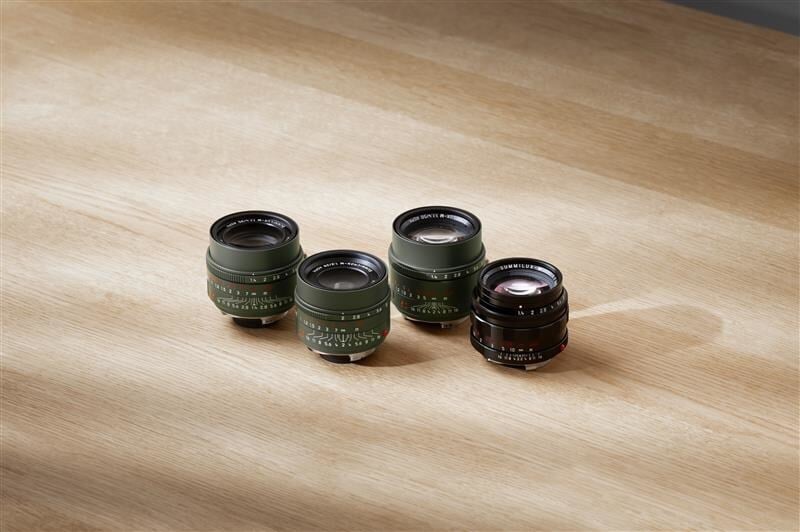
1. Focal Length DistanceThat number on your lens is the distance (in millimeters) between your lens’s optical center and the camera sensor when focused at infinity. So a 50mm lens has a 5 cm gap between where light converges and the sensor. Jamie jokes he might start calling his lenses by their centimeter length just to throw people off.
[Related Reading: What is focal length in photography?]
2. There Are 12 Free Hasselblads… On the MoonYou may already know that Apollo astronauts were also great photographers, and they mainly used Hasselblads. But what you may not know is that there are 12 modified Hasselblad cameras up for grabs. On the moon, though.
3. Why Does Bokeh Have an ‘H’?The word “bokeh” comes from the Japanese for blur, originally spelled “boke.” But an editor at Photo Techniques magazine added the “h” in 1997 to guide correct pronunciation. And it stuck.
[Related reading: Three photography terms you didn’t know (or care) you were saying wrong]
 4. The Biggest Digital Camera Lives in Chile
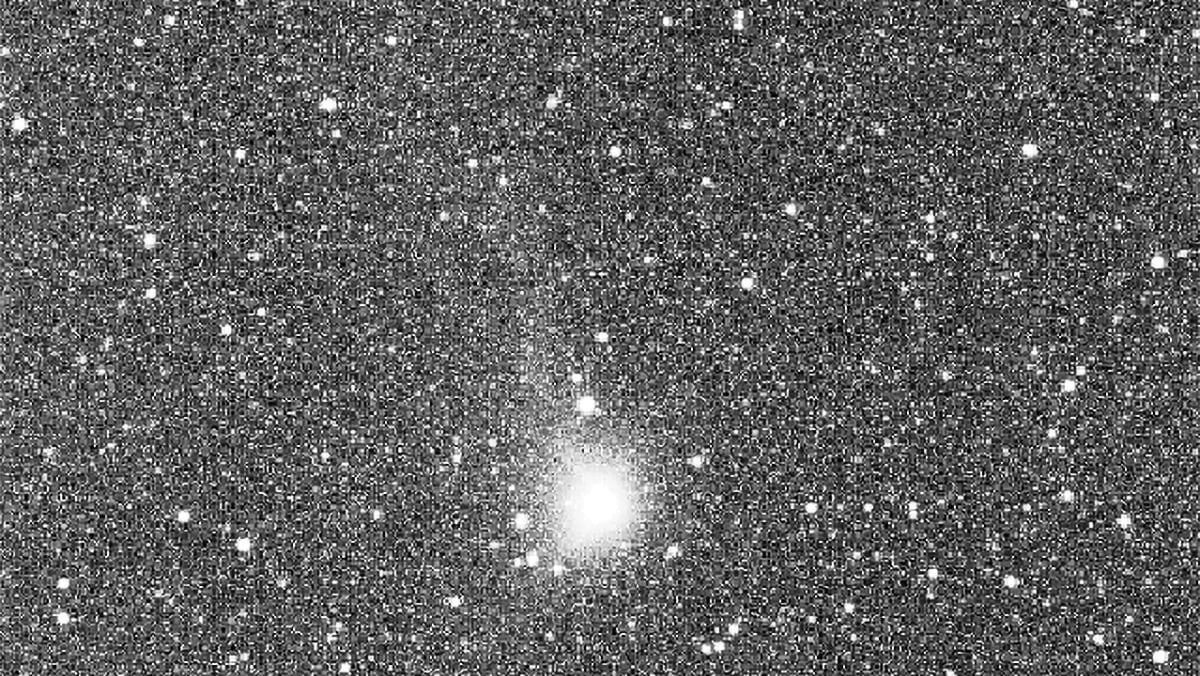
The Legacy Survey of Space and Time (LSST) camera in Chile captures 3.2 gigapixel images. It’s roughly the size of a small car, weighs nearly three tons, and is built to photograph the universe.
5. JPEG Refers to PeopleJPEG isn’t just a file format. It stands for Joint Photographic Experts Group, the actual committee that developed the compression standard in the ’80s.
6. The First Color Photos Were Made with PotatoesNo, we’re not talking about the potato camera. Autochrome, the first commercial color photo process, used potato starch dyed red, green, and blue. While we don’t have the practical use for this kind of three-color process anymore, it’s super-fun to play with it, even with a digital camera.
 AnonymousUnknown author, CC0, via Wikimedia Commons
7. ISO Isn’t an Acronym
AnonymousUnknown author, CC0, via Wikimedia Commons
7. ISO Isn’t an Acronym
ISO stands for the International Organization for Standardization, but weirdly, ISO in photography isn’t short for anything. It comes from the Greek word isos, meaning “equal.”
[Related Reading: What is ISO in Photography? A Complete Guide to Understanding ISO]
8. F-Stops Aren’t About LightF-stops are a math formula: focal length divided by aperture diameter. But they don’t directly tell you how much light is transmitted. That’s what T-stops are for.
9. Most ND Filters LieYour “10-stop” ND filter probably doesn’t block all colors equally, causing color shifts. Only the best ones come close to true neutral density.
10. The Longest Exposure Ever Was an AccidentJamie notes that an art student made an 8-year exposure by accident using a beer can and photo paper. She reportedly forgot about it; however, it’s not quite true. Regina Valkenborgh‘s project was very intentional, and her pinhole camera captured nearly 3,000 sun trails. We covered this fascinating project here, so take a look if you’d like to learn more.
[Related Reading: The comprehensive tech guide to pinhole photography]
11. Pigeons Once Took Aerial PhotosIn 1907, a German inventor strapped tiny timed cameras to homing pigeons. In the 1940s, the military considered using them for reconnaissance, but planes won that race. Psychologist B. F. Skinner also attempted to train photo-pecking pigeons to guide missiles during World War II, but this project was abandoned before it even got off the ground.
 Dr Julius Neubronner, Public domain, via Wikimedia Commons
12. Camera Flashes Used to Explode
Dr Julius Neubronner, Public domain, via Wikimedia Commons
12. Camera Flashes Used to Explode
Flashcubes used magnesium bulbs that popped and sparked when fired. Each cube had four tiny, one-time-use flash units that literally blew up with every photo. And the use of magnesium for flash goes back to 1864!
13. The Term “Snapshot” Came from HuntingOriginally a hunting term for firing quickly without aiming, “snapshot” became a photo term in the 1800s for quick, unplanned shots.
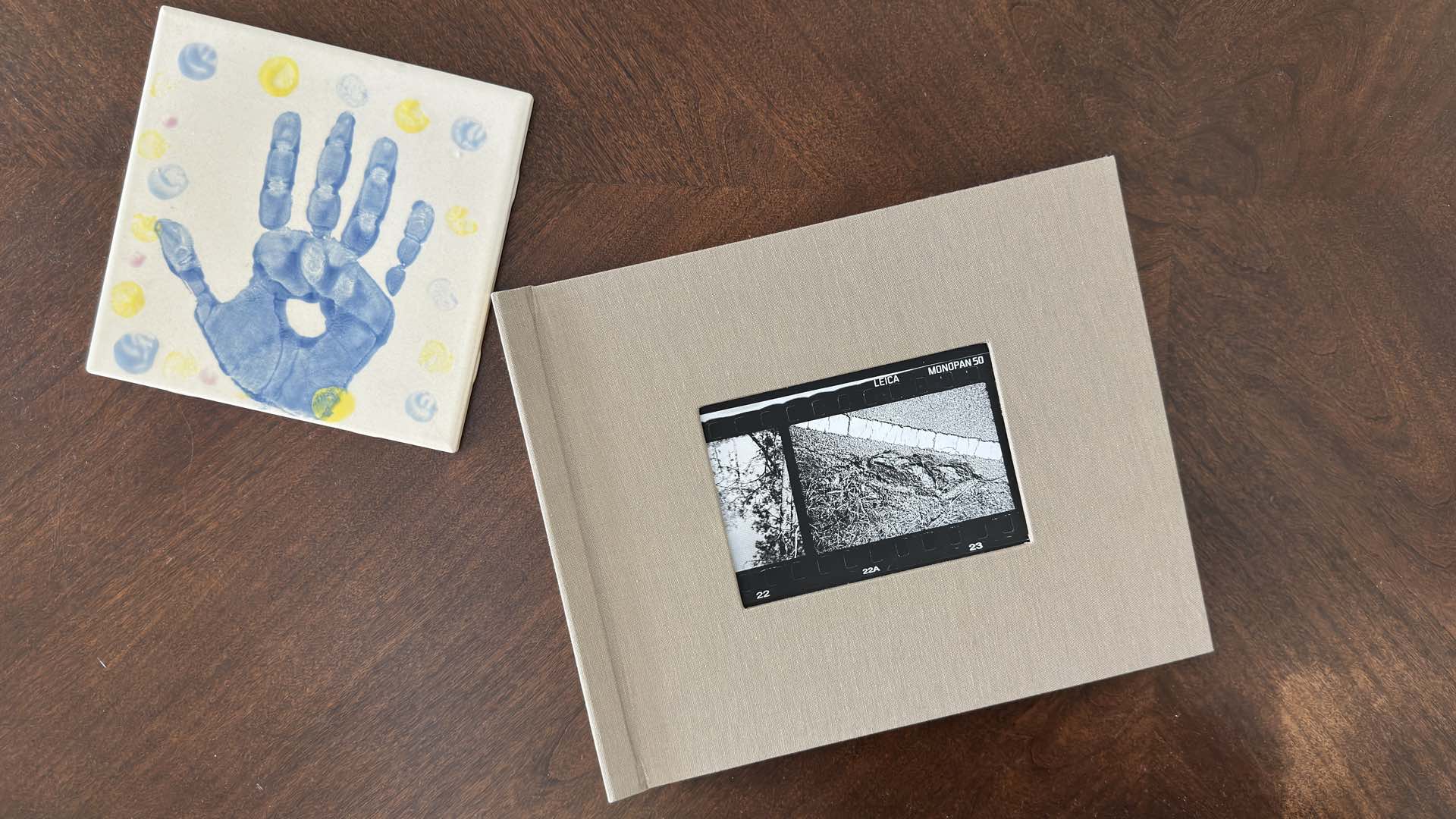
14. 35mm Sensors Are Never 35mmA “35mm” full-frame sensor actually measures 36mm x 24mm. The name comes from the total width of old film, sprocket holes included.
15. The Most Viewed Photo Ever?I bet you aready know what it is. Bliss, that iconic Windows XP desktop with the rolling green hills, was shot on film by Charles O’Rear. You can read the story behind this iconic photo here.
16. Your Eyes = 567 MegapixelsIf your eyes were sensors, how many megapixels would they have? Scientists estimate the human eye has the resolution equivalent of 567 megapixels, meaning your eyes are technically better than your camera. But it’s a bit more complicated than that, and you can find out more here.
 17. The Fastest Exposure Ever?
The Rapatronic camera, built to photograph nuclear explosions, used a Faraday cell and polarizers to snap images in just 10 nanoseconds.
18. Victorians Did Wild Stuff for PhotosThe exposures very long back in the early days of photography. To keep the subjects still and ensure sharp photos, Victorians used head braces, metal poles, and even sewed baby clothes into chairs to keep them still for portraits. Parents would also disguise to look like a part of the backdrop while keeping their toddlers in their lap to keep them still. I found this particularly interesting!
 Columbus Metropolitan Library, Public domain, via Wikimedia Commons
19. Pixel = Picture Element
Columbus Metropolitan Library, Public domain, via Wikimedia Commons
19. Pixel = Picture Element
The word “pixel” is a mashup of “picture” and “element,” first coined in the 1960s.
20. Film Has Megapixels TooFilm has its megapixel equivalent to digital photography. 35mm color film like Velvia 50 resolves about 20–25 megapixels worth of detail. High ISO films like Portra 800 land closer to 7–10 megapixels.
And there you go: 20 facts you absolutely didn’t need, but I’m sure you won’t forget. They took me to Victorian photo archives and to old articles we’ve covered over the years. They inspired me to research a bit and even bust some myths. For more details about these interesting photography facts with Jamie’s delightful delivery, definitely check out the full video. And let me know what you got from it? Did it teach you, amuse you, or everything in between?
[20 UTTERLY USELESS Facts About Photography | Jamie Windsor]
Comments (0)