
Remember me

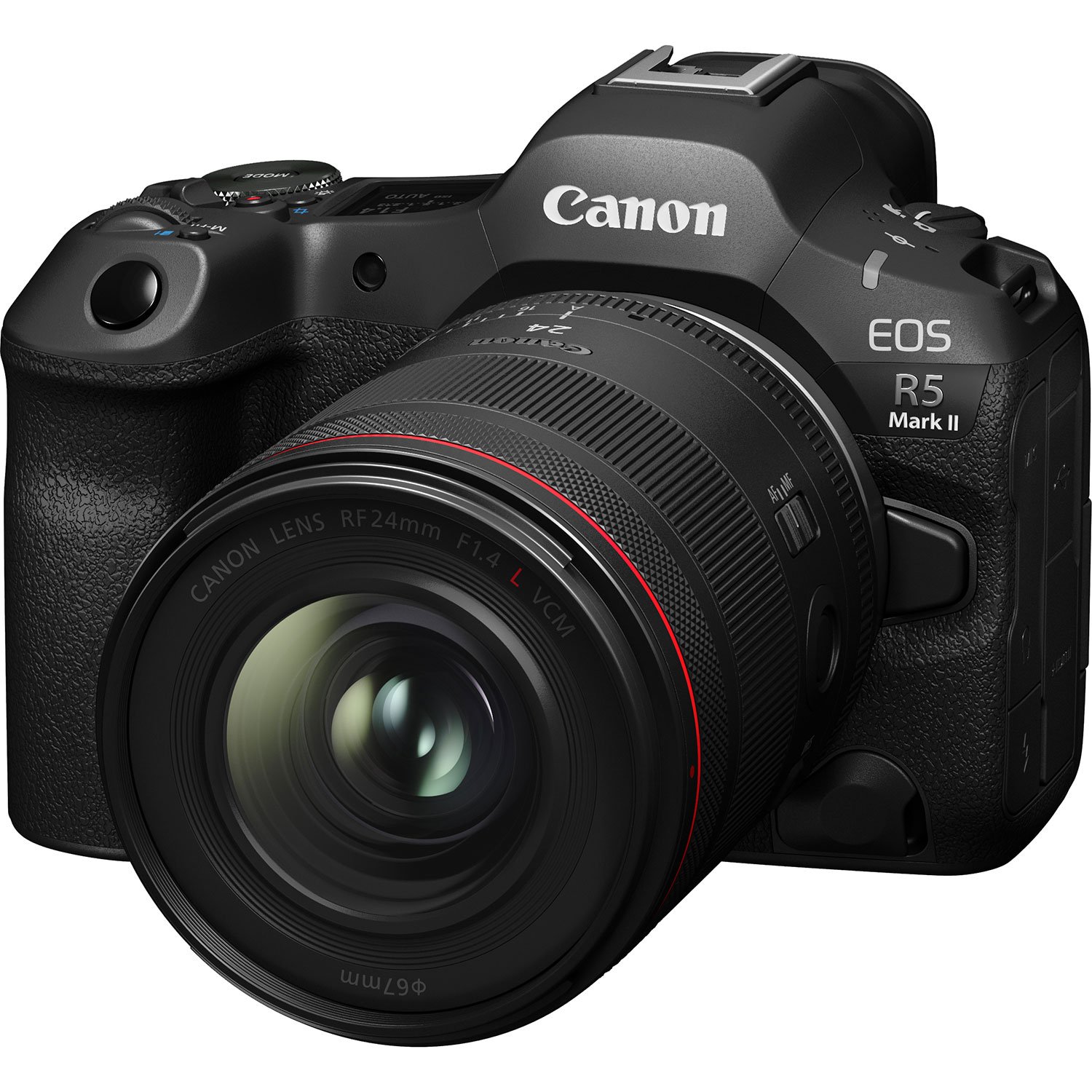

The crowdfunding campaign for Caira concluded with 611 backers pledging a total of $459,668 to bring the world’s first AI-native mirrorless camera to life.
That level of backing speaks to substantial interest in bridging traditional mirrorless systems and modern AI-enhanced workflows. The campaign ran from November 4, 2025 to December 2, 2025, and now the project is poised to move from prototype to production.
For photographers who have watched the growth of hybrid camera systems, Caira represents a bold experiment: a Micro Four Thirds mirrorless body designed to integrate generative editing and smartphone connectivity directly into the capture process.
 What Caira Promises
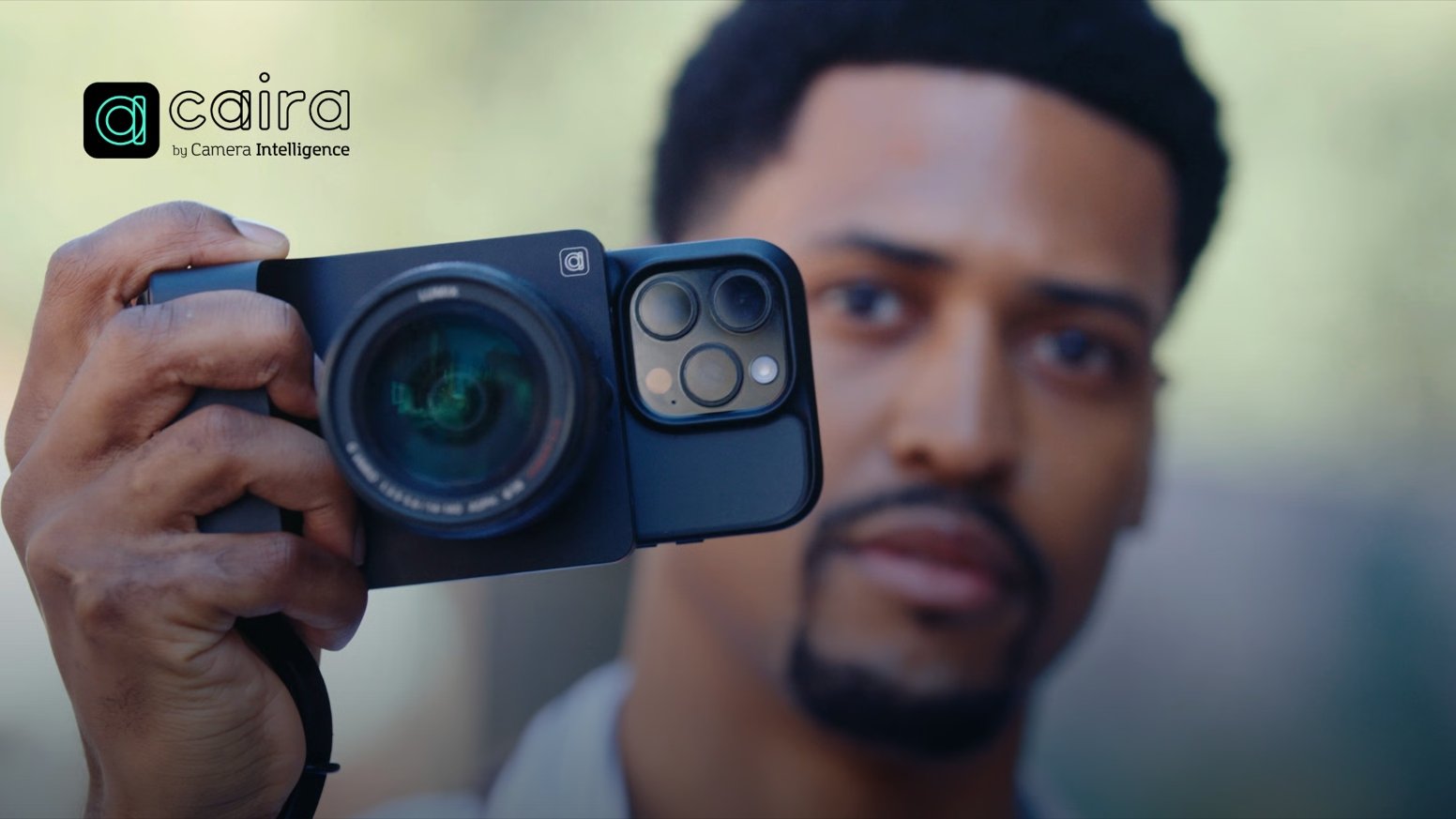
Caira is offered by Camera Intelligence (formerly Alice Camera). It is built around a Micro Four Thirds sensor and designed to work in tandem with an iPhone — using MagSafe to attach the phone as a viewfinder and control hub.
Through that pairing, Caira aims to blend the optical quality and lens versatility of a mirrorless camera with the convenience and editing speed of mobile workflows.
According to the project presentation, Caira will integrate Google’s Nano Banana generative AI model to assist with post‑capture editing. That promises to reduce or simplify the editing burden after a shoot.
On Kickstarter, initial pledges started at $695 for early supporters, later rising to $795, compared with a planned retail price of $995 for the body alone.
Camera Intelligence claims to have already built 50 pre-production units and assembled 500 PCBs. Mass production is slated to begin after the Kickstarter ends, with backers expecting delivery between mid‑January and late February 2026.
What Caira Might Mean for PhotographersFor many creators, Caira’s appeal lies in its attempt to merge capture, editing, and sharing into one workflow. Instead of transferring files from camera to computer, then editing and exporting, you may be able to capture, edit, and finalize images right from your phone. That could be especially attractive for travel photographers, social media creators, and anyone wanting to skip a multi-step process.
The Micro Four Thirds sensor offers more dynamic range and depth-of-field control than a smartphone alone. Paired with interchangeable lenses and manual or automated control, you get a hybrid of quality and flexibility.
For photographers transitioning from smartphone shooting into a more serious photographic tool, this combination may offer a gentler learning curve.
At the same time, the promise of on-device generative editing raises questions. How will fine detail and subtle tones hold up? Will the AI editing preserve a natural look, or will results feel overly processed? Early production units and real‑world testing will be key to knowing whether Caira delivers on its promises.
 What to Expect Next
With funding secured, Caira’s team will move toward manufacturing and final testing. Backers will be watching for production updates, sample images, and early reviews.
For the rest of the photography community, this project represents an early preview of what the future might hold regarding a mirrorless camera tightly integrated with mobile editing and sharing, prototyping a workflow that blends capture and post in one seamless package.
If Caira succeeds, it could influence how we think about cameras in a world dominated by smartphones. If it struggles, it may reinforce the value of traditional mirrorless workflows. Either way, its journey will be worth following!
Comments (0)