
Remember me

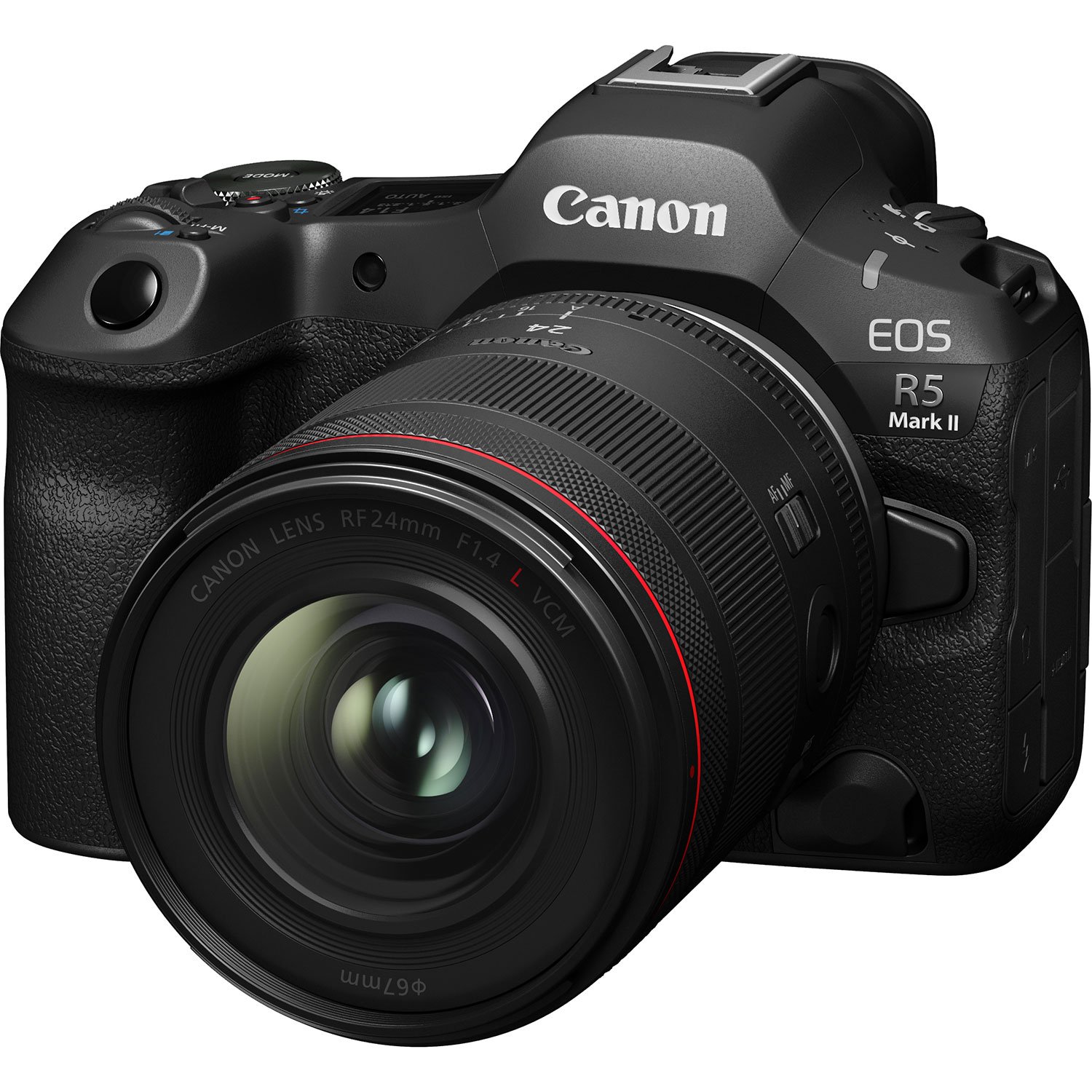

Choosing between 35mm vs 50mm street photography lenses can make or break your ability to capture compelling moments on the street. Both focal lengths have earned legendary status among street photographers, yet they produce dramatically different results. This comparison breaks down exactly what each lens brings to your camera bag and helps you pick the right one for your shooting style.
Understanding How These Focal Lengths Shape Your VisionThe 35mm and 50mm focal lengths represent two distinct approaches to seeing the world through your camera. Each one fundamentally changes how you interact with your environment and subjects.
The 35mm PerspectiveThe 35mm sits in that sweet spot many photographers call the “Goldilocks” lens. It captures significantly more of the scene compared to a 50mm while still maintaining natural proportions. When you shoot with a 35mm, you’re pulling your viewer right into the action. They feel like they’re standing exactly where you stood when you pressed the shutter.

This wider field of view means you’ll need to get closer to your subjects to fill the frame. That proximity creates an intimate feeling that draws viewers into the story you’re telling. Street photographers who love context and environmental storytelling gravitate toward this focal length because it shows both the subject and their surroundings.
The 50mm PerspectiveThe 50mm earns its “standard” designation because it closely mimics what your eye naturally sees. Actually, it’s slightly tighter than your full field of view, but it feels comfortable and familiar. Henri Cartier-Bresson famously shot with a 50mm throughout his career, and there’s good reason for that choice.
This lens compresses space in a subtle way that brings backgrounds slightly closer to your subject. You get a more isolated, focused view that zeroes in on specific details or expressions. The 50mm lets you stand back a bit more while still filling your frame with your subject.
How 35mm vs 50mm Street Photography Changes Your Shooting StyleYour choice between these two focal lengths will shape how you move through streets and interact with your environment.
Working Distance and Subject InteractionWith a 35mm, you’ll be getting physically closer to people and scenes. This forces you to be more confident and engaged with your surroundings. Some photographers thrive on this intimacy. Others find it uncomfortable or intrusive.
The 50mm gives you a bit more breathing room. You can capture candid moments from a slightly greater distance, which can make some photographers feel less conspicuous. This extra space often appeals to those just starting with street photography or anyone who prefers a more observational approach.
Composition ComplexityThe wider view of a 35mm means you’re dealing with more visual elements in every frame. More elements mean more potential distractions. You need to work harder to simplify your compositions and direct the viewer’s eye to what matters. Cluttered backgrounds become a real challenge unless you’re deliberate about your positioning and timing.
A 50mm naturally simplifies things. The tighter frame crops out peripheral distractions more easily. You can isolate your subject with less effort, creating cleaner, more focused images right out of camera.
Technical Differences That Impact Your PhotosBeyond the creative aspects, these focal lengths have technical characteristics that affect your results in practical ways.
Depth of Field Characteristics for 35mm vs 50mm Street PhotographyThe depth of field behavior differs significantly between these two lenses. A 35mm keeps more of your scene in focus at any given aperture setting. This deeper depth of field works beautifully for zone focusing, a technique where you pre-focus at a certain distance and rely on the depth of field to keep moving subjects sharp.
The 50mm produces shallower depth of field at the same aperture. This means you have less margin for error with your focus, especially when shooting fast-moving subjects. However, this characteristic also makes it easier to achieve that beautiful background blur photographers call bokeh. Your subject pops against softened, dreamy backgrounds.
 Managing Distortion and Perspective
The 35mm technically qualifies as a wide-angle lens, which introduces some perspective distortion. If you photograph someone’s face very close up, their features might look slightly exaggerated or stretched. Objects at the edges of your frame can appear to lean or bend slightly.
The 50mm produces virtually no noticeable distortion. Faces look natural and flattering. Lines stay straight. This makes it ideal for those street portraits where accuracy matters more than environmental context.
Handling Different Shooting EnvironmentsTight spaces present real challenges for different focal lengths. In crowded markets, narrow alleys, or packed subway cars, a 35mm gives you flexibility. You can step back against a wall and still capture the full scene. The wider view means you’re not constantly running out of space.
The 50mm can feel limiting in confined areas. You might find yourself backing into walls or unable to fit everything you want into the frame. On the flip side, in open plazas or wide streets, the 50mm helps you reach across space to isolate distant subjects without including too much empty foreground.
Creative Applications and Storytelling ApproachesThe lens you choose fundamentally shapes what stories you can tell and how effectively you tell them.
Environmental Storytelling with the 35mmA 35mm excels at showing relationships between people and places. You can capture a musician performing while also showing the crowd around them, the architecture behind them, and the atmosphere of the location. This contextual richness creates layered, complex narratives.
Photojournalists often prefer 35mm for exactly this reason. The lens lets them document not just what happened but where it happened and what surrounded the moment. Your viewers get a complete picture rather than an isolated fragment.
Subject Isolation with the 50mmThe 50mm focuses attention ruthlessly. When you want to highlight a specific expression, gesture, or detail, this lens cuts away distractions. A single person walking through dappled light becomes your entire story. Their face, their posture, their movement claim the viewer’s full attention.
This isolation proves particularly valuable for creating portrait-style street photography where the individual matters more than their surroundings. The compressed perspective and shallow depth of field work together to make your subject the undeniable star of the image.
Zone Focusing TechniquesZone focusing represents one of the most practical differences between these focal lengths. With a 35mm set to f/8 and focused at about 10 feet, you might keep everything from 6 feet to 20 feet acceptably sharp. This means you can shoot from the hip, react instantly to moments, and trust that your subjects will be in focus.
The 50mm requires more precision. At f/8 focused at 10 feet, your sharp zone might only extend from 8 feet to 13 feet. You need to be more accurate with your distance estimation or rely more heavily on autofocus.
Real-World Considerations for Your ChoiceBeyond the technical and creative factors, practical considerations should influence your decision.
Budget and AccessibilityBoth 35mm and 50mm prime lenses typically represent some of the most affordable options in any manufacturer’s lineup. The 50mm usually wins the affordability contest, often earning the nickname “nifty fifty” because of its combination of quality and low price.
A basic 50mm f/1.8 lens typically costs less than a comparable 35mm. If you’re just starting out and working with a tight budget, this price difference might matter. However, both focal lengths offer entry-level options that won’t break the bank.
Physical Size and WeightMost 50mm primes are slightly more compact than 35mm lenses, though the difference usually isn’t dramatic. Both focal lengths can be found in lightweight, pocketable designs that make them ideal for walking around all day.
The smaller physical size of prime lenses compared to zoom lenses represents one of their biggest advantages for street photography. You can shoot more discreetly, and your camera becomes less of a burden during long shooting sessions.
Versatility Beyond Street PhotographyConsider what else you might shoot besides street photography. A 35mm works well for environmental portraits, documentary work, travel photography, and even some landscape shots. It’s arguably the more versatile choice for general photography.

The 50mm shines for traditional portraits, product photography, and any situation where subject isolation matters. Some photographers find it slightly limiting for general use, but others appreciate how its constraints force more thoughtful composition.
Learning from the Masters of 35mm vs 50mm Street PhotographyUnderstanding how legendary photographers approached these focal lengths can inform your own choice.
The 50mm TraditionHenri Cartier-Bresson built his entire legendary career primarily shooting with a 50mm lens. He valued the natural perspective and the way it forced him to move deliberately through space. His work demonstrates how a 50mm can capture decisive moments with clarity and elegance.
Other masters like Robert Frank and Vivian Maier also frequently worked with 50mm lenses. Their images show the power of isolation and the beauty of simplified compositions.
The 35mm AdvocatesMany contemporary street photographers have shifted toward 35mm as their go-to choice. The lens suits a more immersive, context-rich style of street photography that has become increasingly popular. Photographers like Alex Webb favor wider lenses because they can capture the complexity and layers that define modern street photography.
The 35mm tradition connects more closely to photojournalism and documentary photography, where showing the full scene matters as much as capturing individual subjects.
Making Your DecisionNeither lens is objectively better for street photography. The right choice depends entirely on your personal vision and shooting preferences.
Choose a 35mm if you want to emphasize environmental context and storytelling. Pick this focal length if you’re comfortable getting close to your subjects and enjoy working with complex, layered compositions. The 35mm rewards photographers who can see and organize multiple elements within a frame.
Choose a 50mm if you prefer to isolate subjects and focus on specific moments or expressions. This lens suits photographers who value a more distanced, observational approach or who want to create portraits within the street environment. The 50mm rewards careful, deliberate composition.
The Experimentation StrategyMany photographers recommend trying both before committing. If you have access to zoom lenses, shoot exclusively at 35mm for a week, then shoot only at 50mm the following week. Pay attention to which focal length feels more natural and produces images closer to your vision.
You can also consider a zoom lens covering both focal lengths, like a 24-70mm. Use it to explore what distances you naturally gravitate toward, then invest in the corresponding prime lens for better image quality and lighter weight.
Technical Setup Tips for Both Focal LengthsRegardless of which lens you choose, certain settings and techniques optimize your results for street photography.
Aperture ChoicesFor the 35mm, shooting between f/5.6 and f/8 gives you enough depth of field for zone focusing while still allowing decent performance in lower light. These apertures provide a good balance between sharpness and forgiveness.
With the 50mm, you might shoot wider more often, perhaps f/2.8 to f/4, especially if you want that subject isolation and bokeh. However, for general street work where you’re moving quickly, f/5.6 still works well and gives you more focus margin.
Shutter Speed ConsiderationsStreet photography demands fast shutter speeds to freeze motion. Aim for at least 1/250s as your baseline, faster if you’re photographing running children or other rapid movement. The focal length doesn’t dramatically change your shutter speed needs, though the 50mm’s narrower field of view might let you use slightly slower speeds since small amounts of motion blur are less noticeable.
ISO ManagementDon’t be afraid to raise your ISO to maintain proper exposure and shutter speed. Modern cameras handle higher ISOs remarkably well. A slightly noisy, properly exposed, sharp image beats a clean but blurry or underexposed one every time.
The wider maximum apertures available on many prime lenses help keep your ISO lower in challenging light. This represents one of the key advantages of prime lenses over slower zoom lenses for street photography.
Time to Hit the Streets with Your Lens: 35mm vs 50mm LensThe 35mm vs 50mm street photography debate will continue as long as photographers shoot streets. Both focal lengths have earned their places in photographic history through decades of exceptional work.
Your choice ultimately comes down to how you see the world and what stories you want to tell. The 35mm invites viewers into scenes and emphasizes context. The 50mm isolates moments and emphasizes subjects.
Many professional street photographers eventually own both lenses and choose between them based on their mood, the location they’re shooting, or the specific project they’re working on. Starting with one doesn’t mean you’re locked into that choice forever.
The most important thing is to get out and shoot. Technical discussions matter far less than the experience you gain by actually photographing on streets. Choose the lens that seems most aligned with your current vision, then spend months learning its strengths and limitations. Only through extensive practice will you truly understand which focal length serves your photographic voice.
Remember that legendary photographers created incredible work with both focal lengths. The lens matters less than your eye, your timing, and your persistence. Pick one, commit to learning it deeply, and focus your energy on making compelling images rather than second-guessing your gear choices.
Comments (0)