
Remember me




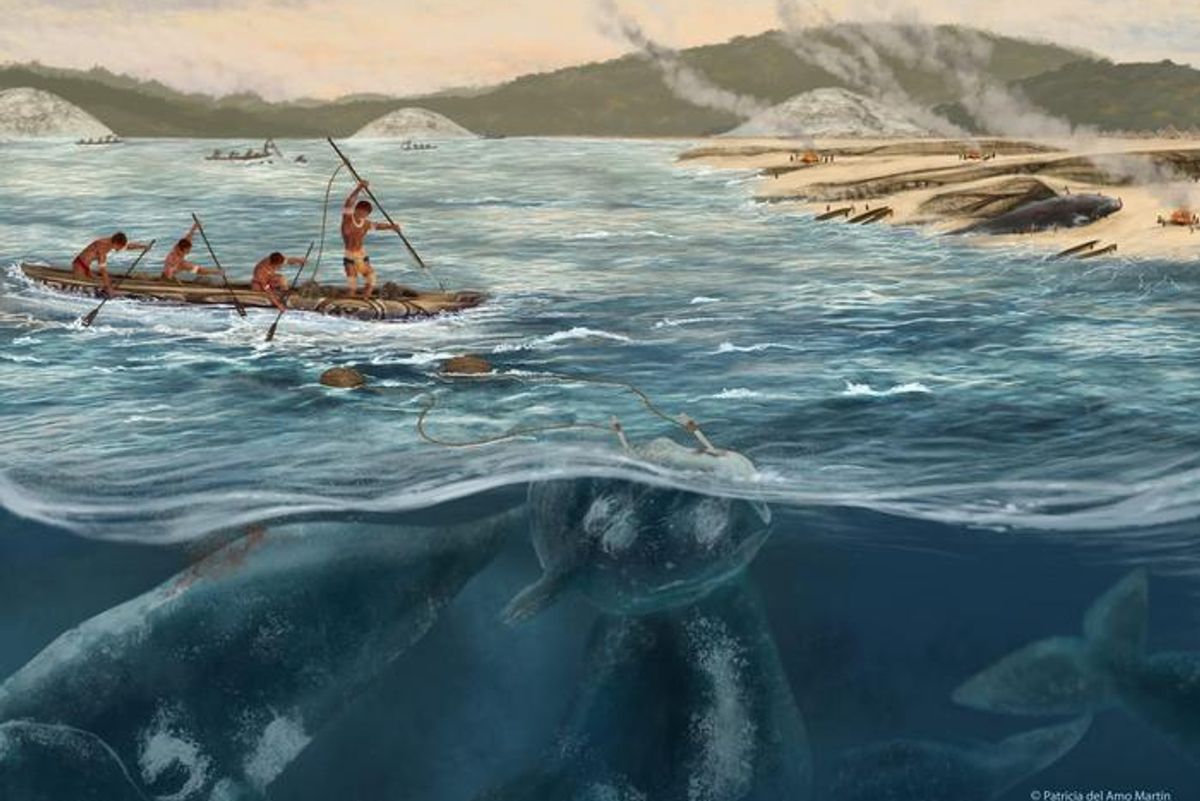


Individuals along Brazil’s southern coast 5,000 years ago were hunting large whales. Evidence from Babitonga Bay in Santa Catarina reveals that Indigenous coastal communities were capturing massive cetaceans around a thousand years earlier than the earliest previously documented whale hunting, which was thought to begin between about 3,500 and 2,500 years ago in the Arctic and North Pacific.
The discovery, published in Nature Communications, comes from sambaquis, large shell mounds built by coastal societies along Brazil’s Atlantic shore during the Holocene. Long associated with shellfish gathering and nearshore fishing, these sites are now revealing sustained encounters with much larger marine animals.
“The data reveals that these communities had the knowledge, tools, and specialized strategies to hunt large whales thousands of years earlier than we had previously assumed,” says Krista McGrath, lead author of the study, in a press release.
Life on Brazil’s Ancient Coast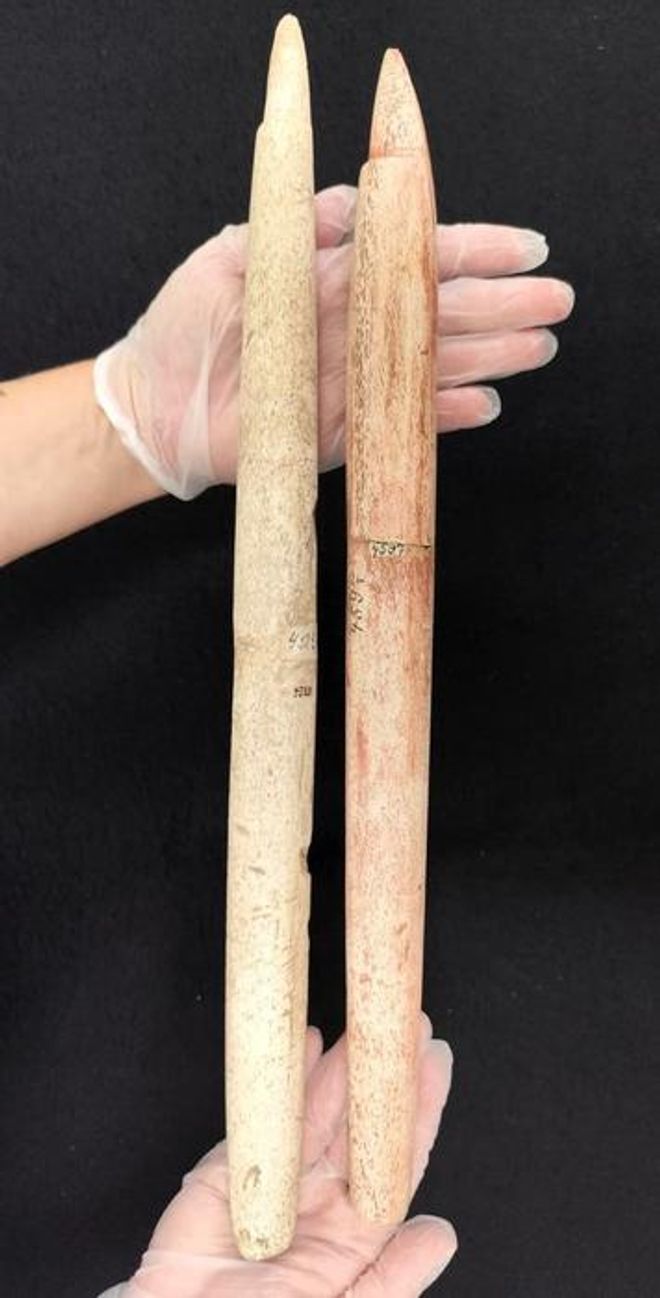
Harpoons found in a human burial from Morro do Ouro.
(Image Credit: ERC- TRADITION)
Sambaquis are among the clearest archaeological records of ancient life along Brazil’s Atlantic coast. Built up over many generations from shells, fish bones, and other everyday remains, they preserve long-term patterns of diet, settlement, and coastal living.
For much of the past century, these mounds were interpreted mainly as the byproducts of meals. Archaeologists linked sambaqui communities to shellfish gathering and small-scale fishing, with little evidence, it seemed, of sustained engagement beyond nearshore waters.
That interpretation shaped how these coastal societies were understood, emphasizing simple foraging economies and overlooking the possibility that larger marine animals played a regular role in daily life.
Read More: Early Humans May Have Used Fires to Smoke Meat One Million Years Ago
Evidence of Early Whale HuntingA closer look inside the sambaquis reveals a different picture of how these coastal communities lived. To investigate what the mounds contained, researchers analyzed hundreds of cetacean bones and bone tools recovered from multiple sites, combining traditional zooarchaeology with molecular techniques that can identify whale species from small bone fragments.
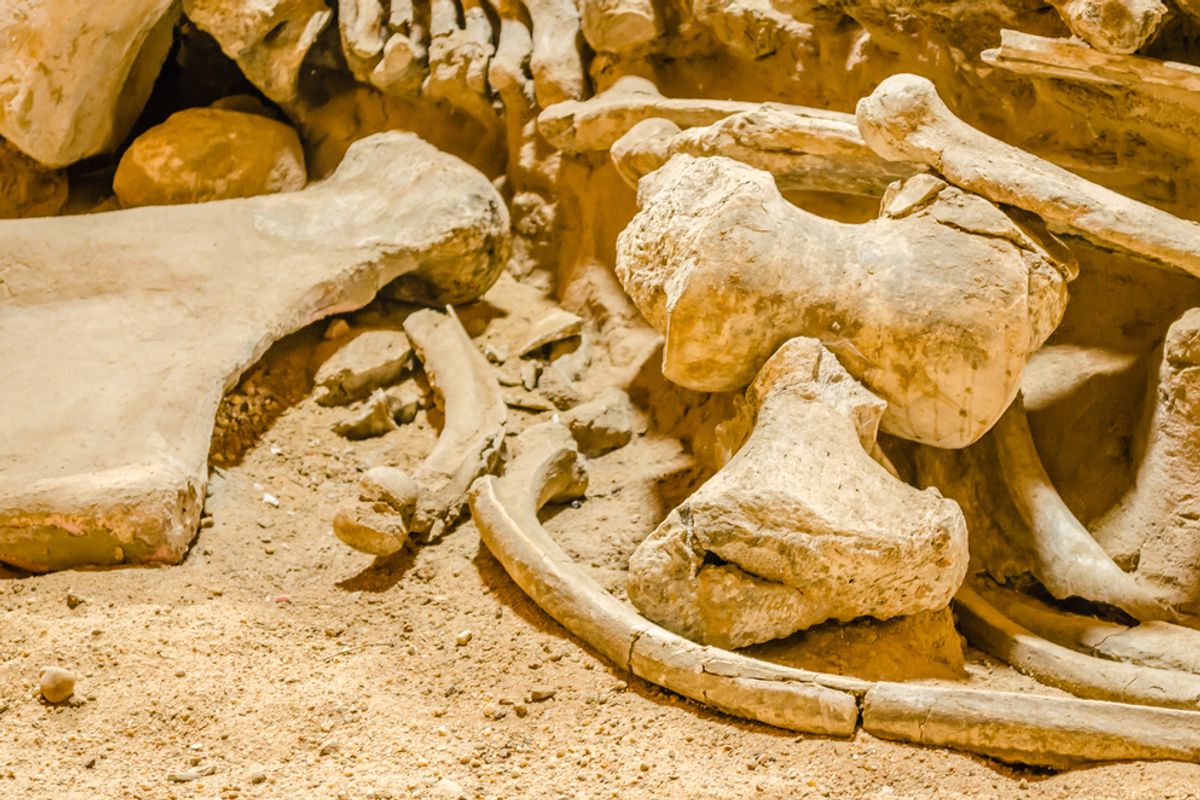
Many of the whale bones bear cut marks consistent with butchering, indicating that the animals were processed rather than scavenged. Others were shaped into tools, including large harpoons made from whale bone. Some of these rank among the largest ever identified in South America, suggesting they were designed for hunting animals of considerable size.
Whale remains appear across multiple sites and layers, showing that this was not an isolated or short-lived practice. Instead, the repeated presence of large cetaceans points to a sustained activity that likely required shared knowledge, planning, and cooperation.
Some whale bones were also recovered from burial contexts, hinting that whales held social or symbolic significance in addition to their role as a food source. Overall, the cut marks, specialized tools, and repeated finds provide strong evidence that these communities were actively hunting large whales rather than relying on the occasional stranded animal.
“This research opens a new perspective on the social organization of the Sambaqui peoples. It represents a paradigm shift — we can now view these groups not only as shellfish collectors and fishers, but also as whalers,” said André Colonese, senior author of the study.
Ancient Whale Bones Offer Clues to RecoveryBeyond reshaping the history of early whale hunting, the findings offer insight into the past distribution of whales along Brazil’s coast. Humpback whale remains were common in the sambaquis, suggesting that their breeding range once extended farther south than the areas where they are most often seen today.
In recent years, sightings of humpback whales have increased in southern Brazil, a trend that may reflect a gradual return to these earlier habitats.
“The recent increase in sightings in Southern Brazil may therefore reflect a historical recolonization process, with implications for conservation. Reconstructing whale distributions before the impact of industrial whaling is essential to understanding their recovery dynamics,” said Marta Cremer, co-author of the paper.
Read More: In a First, Watch as Orcas Team Up With Dolphins to Boost Their Salmon-Hunting Success
Article SourcesOur writers at Discovermagazine.com use peer-reviewed studies and high-quality sources for our articles, and our editors review for scientific accuracy and editorial standards. Review the sources used below for this article: