
Remember me




My bedroom ceiling fan has been the stubborn holdout in an otherwise connected home. The Harbor Breeze fixture works fine — quiet motor, moves plenty of air, and it looks decent enough — but controlling it meant either pulling chains in the dark or getting out of bed to flip the wall switch. After building out my smart home around Alexa, that manual routine started feeling ridiculous.
The Humpptom Universal Smart Wi-Fi Ceiling Fan Remote Control Kit runs about $29 on Amazon, and it solved a problem I'd been ignoring for way too long. Twenty minutes of installation later, I had voice control, app control, and the ability to finally include the bedroom fan in my nighttime automation.
Why my ceiling fan was stuck in the past The only "dumb" device left in the bedroom Credit: Jonathon Jachura / MUO
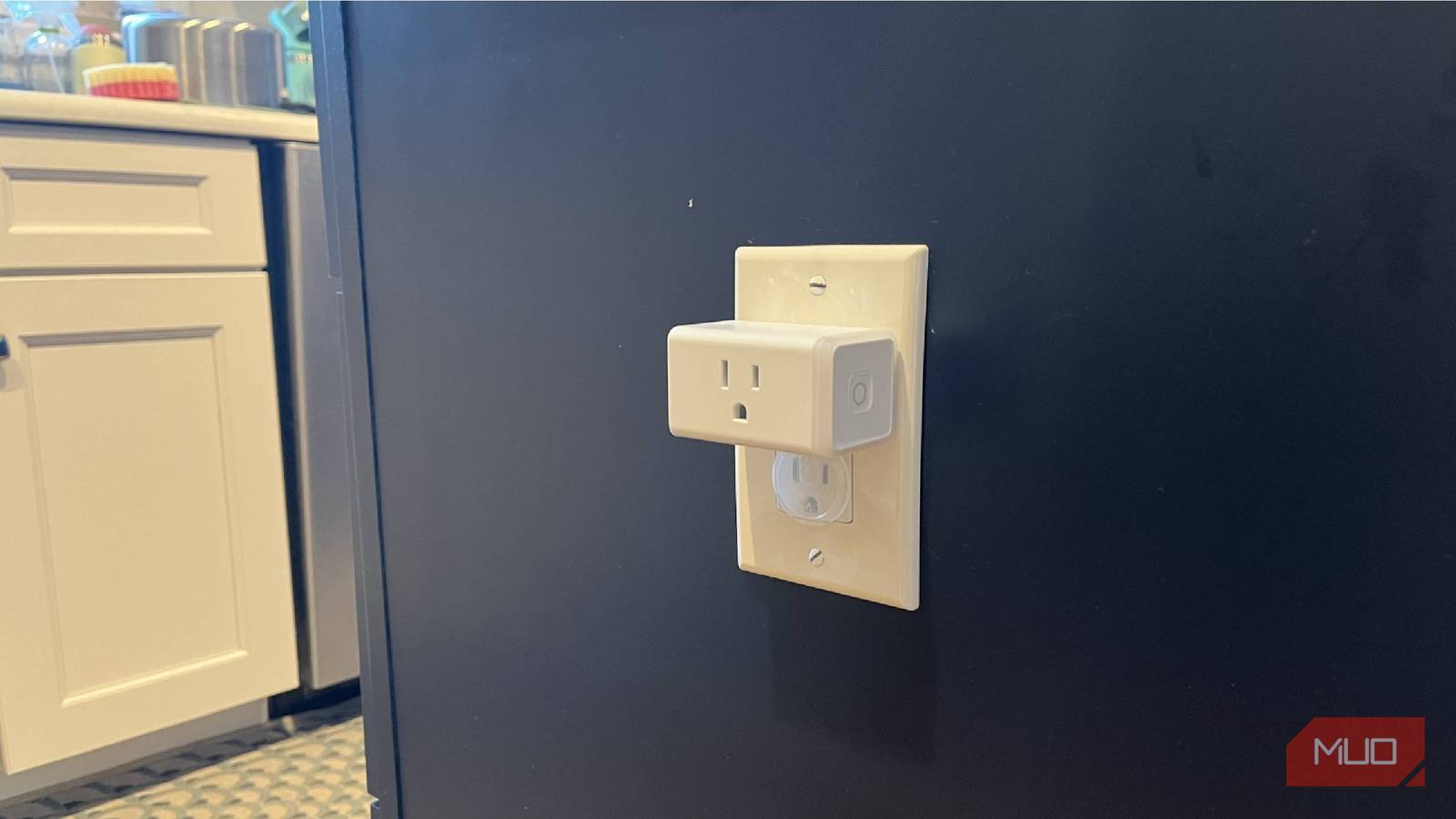
Every other device in my bedroom already responded to voice commands or ran on schedules. The lamps dim automatically at night. The Echo on my nightstand handles music, alarms, and quick questions. Even the window AC unit connects through a smart plug, so I can cool things down before heading upstairs.
The ceiling fan, though, just sat there being useless after dark. Reaching up to yank a pull chain while half-asleep got old fast, and the wall switch controlled both the light and fan together—no independent operation. I looked into replacing the entire fixture with something smart-enabled, but decent options started around $150 and went up from there. Spending that much to replace a fan that worked perfectly well seemed wasteful. I needed something that could make the existing hardware smarter without a full teardown.
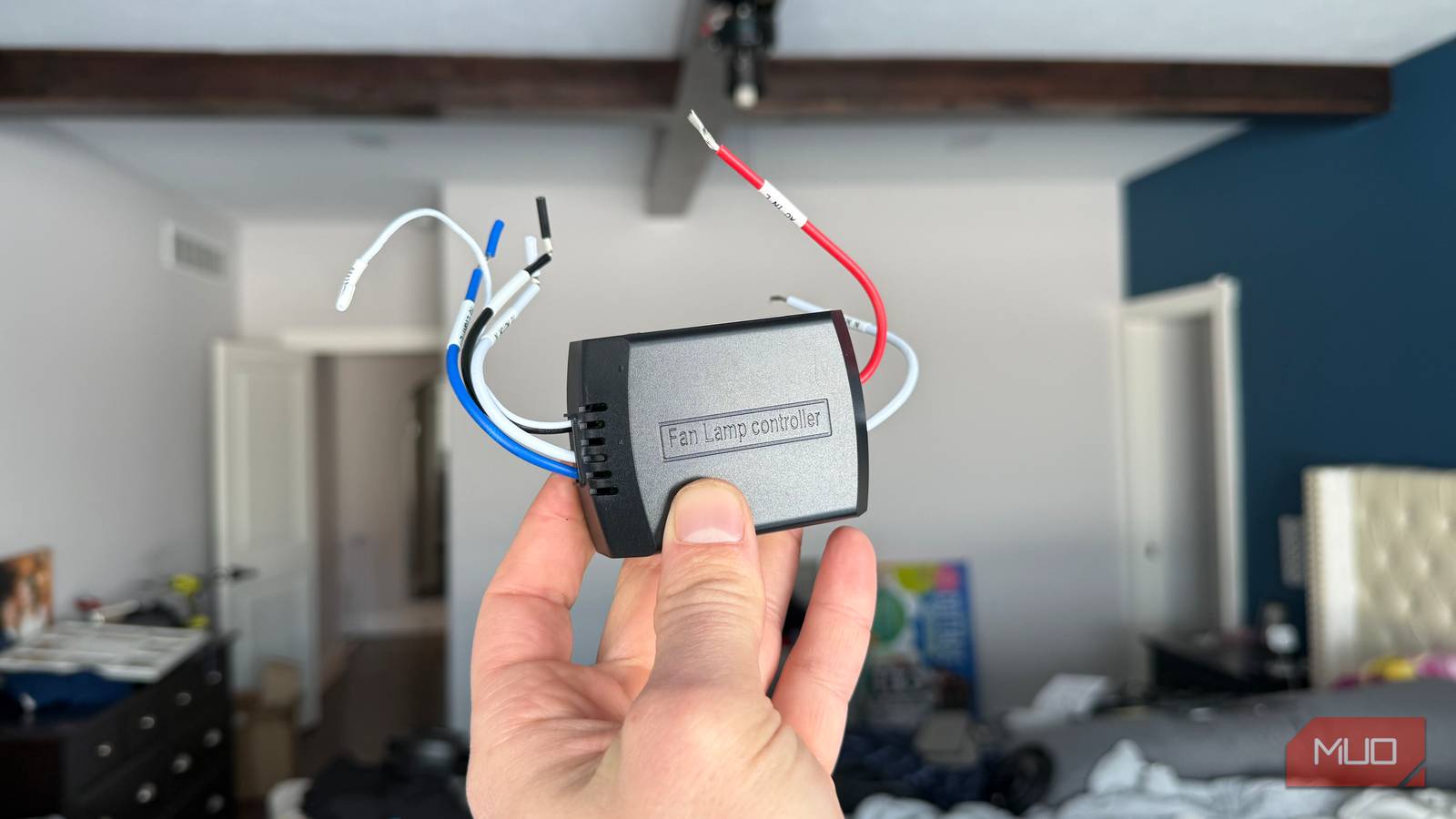
What the Humpptom controller actually does Swapping the guts, not the whole fanThe kit replaces the receiver module inside your fan's canopy — that's the housing where the ceiling mount hides the wiring. Most ceiling fans already have a receiver in there if they came with any kind of remote, but mine didn't. The Humpptom module wired in easily regardless, connecting between the house wiring and the fan's motor and light leads.
You pair it using an app called Smart Life. Once that's done, Alexa pairs with it right away — the same goes for Google Assistant and IFTTT if those are more your thing. No hub needed. A physical remote ships with it, too, which is an added bonus. The fan runs at three speeds, and the light has a built-in dimmer. It works fine with dimmable LEDs, CFLs, incandescent — whatever you've got screwed in up there. It's basic stuff, really. But basic done well.
 Related
Your ceiling fan is spinning the wrong way for winter—here is how to check
Related
Your ceiling fan is spinning the wrong way for winter—here is how to check
Making your ceiling fans spin the right direction for winter to lower your heating bills and increase comfort.
The installation went smoother than I expected Twenty minutes and basic comfort with wiring Credit: Jonathon Jachura / MUO
 Credit: Jonathon Jachura / MUO
 Credit: Jonathon Jachura / MUO
I put this off for weeks. Messing with wires inside a ceiling fixture seemed like the kind of project that would eat my whole Saturday and still go wrong somehow. So I kept finding reasons to delay. When I finally got around to it, the whole thing took maybe twenty minutes. I flipped the breaker off first — not the wall switch, the breaker itself—then tested with my voltage meter just to be safe. I unscrewed the canopy, and there was the junction box staring back at me with the usual suspects: hot, neutral, ground from the ceiling, plus two more leads running down to the fan motor and light kit.
The Humpptom receiver uses color-coded wires that match typical ceiling fan configurations. House wiring went to the input side, fan and light leads went to the output side. Wire nuts secured everything, and the module tucked right into the canopy without a fight. After replacing the cover and restoring power, the Smart Life app found the device immediately. Sharing the skill with Alexa took barely any time at all.
How this fits into my daily routine now The bedroom finally feels finished Credit: Jonathon Jachura / MUO
When I ask Alexa to turn on the bedroom fan or bump it to medium speed, it works every time. I haven't repeated myself once, and there's no lag while I wonder if she heard me. The real win, though, came when I folded it into my bedtime routine. I tell Alexa goodnight, and the fan clicks on low. The light eases down to 10%, holds for a second, then shuts off. Mornings run the same sequence in reverse.
My wife had been skeptical about the whole smart home thing for a while, but this one converted her. No more fumbling for pull chains or getting up to adjust anything — just a quick voice command from bed. The automation setup I've built over the past couple years finally includes every device in the room, which sounds like a small thing until you realize how often you interact with a ceiling fan during the summer months. I have the same fan in five other rooms in my home. I'll eventually upgrade the rest as well.
A few things worth mentioning first Honest tradeoffs for the price Credit: Jonathon Jachura / MUO
Here's one that tripped me up initially: the controller uses 2.4GHz Wi-Fi only. My access point kept trying to shove it onto the 5GHz band, and the pairing failed twice before I figured out what was happening. If you've wrestled with other smart home gadgets refusing to connect, poke around in your network settings before climbing the ladder.
The Smart Life app itself is functional rather than elegant. It does what it needs to do without any design awards, and I mostly interact with the fan through Alexa anyway. The physical remote they include feels pretty flimsy. But it works like it's supposed to; my wife prefers using it, so it sits on her nightstand. I do all my scheduling through Alexa routines anyway—there’s way more flexibility for stringing multiple actions together than what the app offers.
Thirty dollars satisfies a months-long annoyanceThat fan nagged at me forever. I kept imagining some expensive project that would swallow a weekend, but the actual fix ran me $29 and wrapped up before lunch. No electrician needed, and no replacing a fan that worked perfectly fine already. I just popped a new receiver in there, and now the thing talks to everything else in my house like it always should have.
If you've been putting off smart home stuff because the price tags seem steep, devices in this price range might surprise you. I spent about what a movie ticket and popcorn would run me, finished faster than a sitcom episode, and made real improvements to a room where I spend eight hours every night. The flashy upgrades get all the attention. But the quiet ones that fix daily annoyances? Those end up mattering more.