
Remember me

If your PC feels sluggish, you don't need a new machine or a paid optimizer. Windows already has almost everything you need built in—you just have to flip the right switches.
Improving performance on Windows is a simple matter of optimizing for your particular usage, and you can do that without spending a dime. Whether it's clearing years of Windows clutter without installing a single app or optimizing startup apps, it's all there, albeit hidden under multiple settings menus.
Kill startup bloat and runaway background apps Stop wasting CPU and RAM on things you never asked to runMost slow Windows PCs are held back by apps that insist on running all the time. There are Windows startup apps you can remove and have your PC feel fast in an instant. These include programs like Spotify, Discord, update helpers, and OEM utilities or bloatware that you probably never asked to launch.
Start by disabling startup apps you don't need the moment Windows boots up.
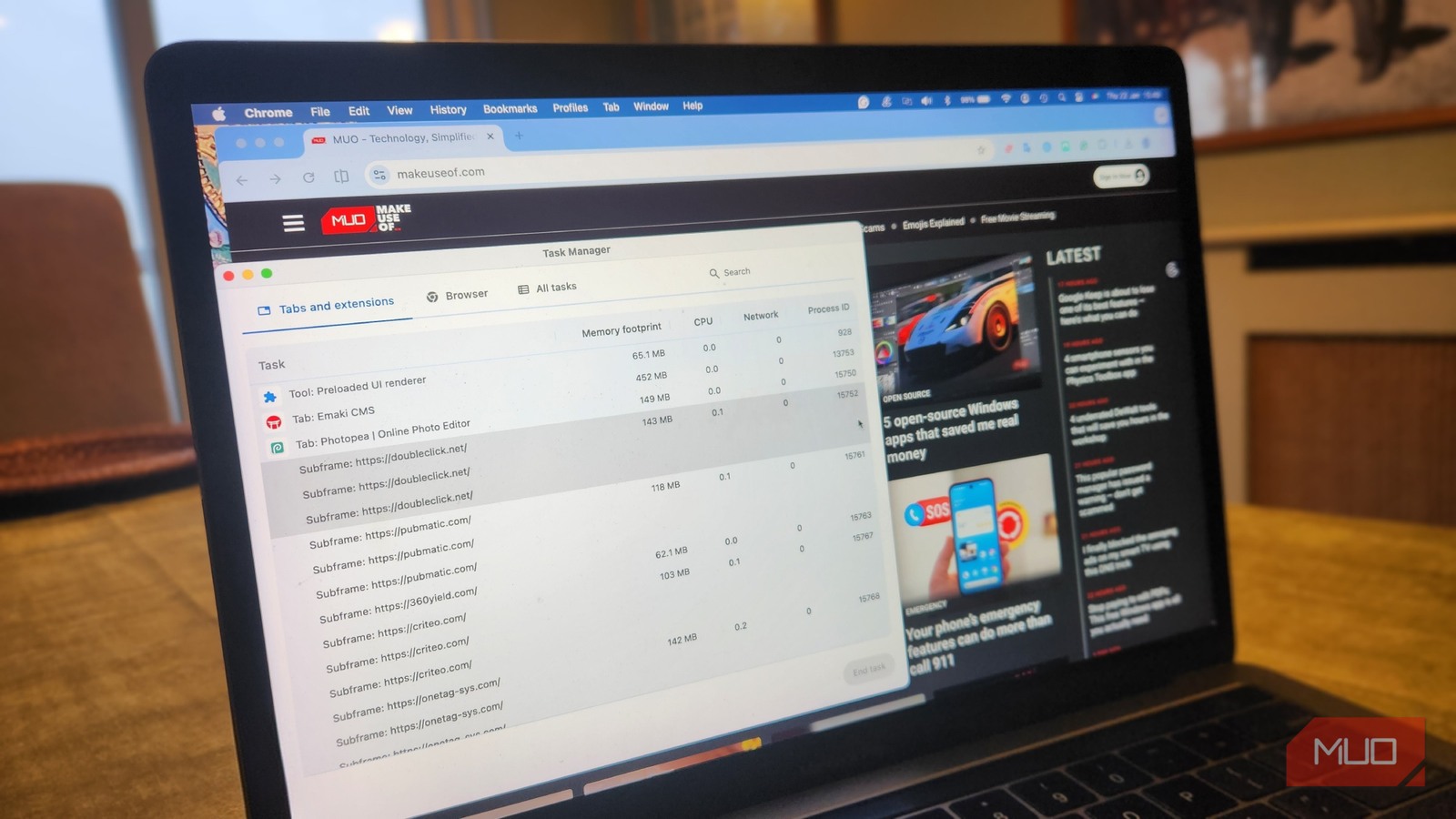
Press Ctrl + Shift + Esc to open Task Manager. Navigate to the Startup apps tab. Sort by startup impact to see which apps cost the most performance at boot. Disable anything you don't need running at startup.Beyond startup apps, you should also limit background apps that are constantly pulling at your CPU and RAM even when you're not actively using them. This removes constant CPU, RAM, and disk pressure and is often the easiest free performance upgrade you can get.
Press Windows Key + I to Open Windows Settings. Head to the Apps tab. Click Installed apps. From the app list, click the three dots on the extreme right and select Advanced options. Change the Background app permissions dropdown according to your requirements.Once you're through with these changes, your PC will boot faster and will consume fewer resources when sitting idle. This gives you more headroom for apps you actually use.
Dial back eye candy that slows everything down Animations look nice until they tank responsivenessWindows spends a surprising amount of effort on animations, transparency, and shadows. On weaker hardware or integrated graphics, turning some of that off can make a noticeable difference in responsiveness, especially when opening windows or switching between apps.
You don't have to strip away all visual polish Windows has at once; you can be surgical about which effects cost performance and which ones you want to keep for a polished feel. Disabling certain visual effects can make Windows run smoother, so be mindful of your choice.
Press Windows Key + R to open the Run prompt. Type sysdm.cpl and press Enter. Head over to the Advanced tab. Click the Settings button under the Performance Section. Select the Adjust for best performance radio button to nuke all Windows visual effects that cost you performance at once.Keep in mind that Windows will look significantly worse if you optimize for the best possible performance. However, doing so will free up system resources that were otherwise tied up in rendering all the fancy animation and transparency effects Windows shows you.
Fix power settings that quietly throttle performance Your PC might be stuck in slow-mode by default Screenshot by Yadullah Abidi | No attribution required.
You don't need sketchy third-party power plans for good performance. Windows' built-in modes combined with the power modes in your laptop's OEM-provided configuration utility are enough to ensure your hardware is getting all the power it needs to run at full performance.
On desktops where power usage isn't a concern, high-performance plans keep the CPU at higher minimum clock speeds and make the system feel snappier under light loads. On laptops, you might want to adjust power settings as you go from being plugged in to battery power.
These settings will vary based on your device and manufacturer. However, as long as you've selected the highest power mode in the Power & battery settings in the Windows Settings app, you're good to go. If you're on a laptop, make sure to check your manufacturer-provided configuration tool to see if you can increase your computer's performance.
Keep security lean and let Windows maintain itself Fewer scanners, fewer conflicts, better performance Yadullah Abidi / MakeUseOfCredit: Yadullah Abidi / MakeUseOf
Antivirus can either be light and invisible or heavy and intrusive. The good news is that built-in Windows Security is now quite capable and well-optimized compared to many third-party suites. If you're using Windows 11 and don't have any special security needs, stick with Windows Security to avoid the overhead of some third-party suites with bloated background services.
More importantly, avoid running multiple real-time antivirus tools simultaneously, which causes them to fight over files and drag performance down significantly. Additionally, hard-disabling Windows Security using unsupported policies or registry hacks can also cause extreme slowdowns, freezes, and stability issues.
Windows and driver updates are also important factors to watch out for. If you have a laptop, chances are it comes with some bloatware from the manufacturer. It's one of the best hacks if you want a faster, cleaner Windows 11.
Windows isn’t broken—it’s just badly configured Small tweaks add up to a noticeably faster PCImproving Windows performance for free isn't about obscure tweaks or risky hacks. It's about stopping unnecessary apps from running, reducing visual fluff on weaker hardware, using sensible power settings, keeping storage clean, and letting security run efficiently.
 Related
These changes won't make your hardware magically more capable of running Windows. However, they will tone down Windows' resource consumption and let you optimize your system for the best possible performance.