
Remember me
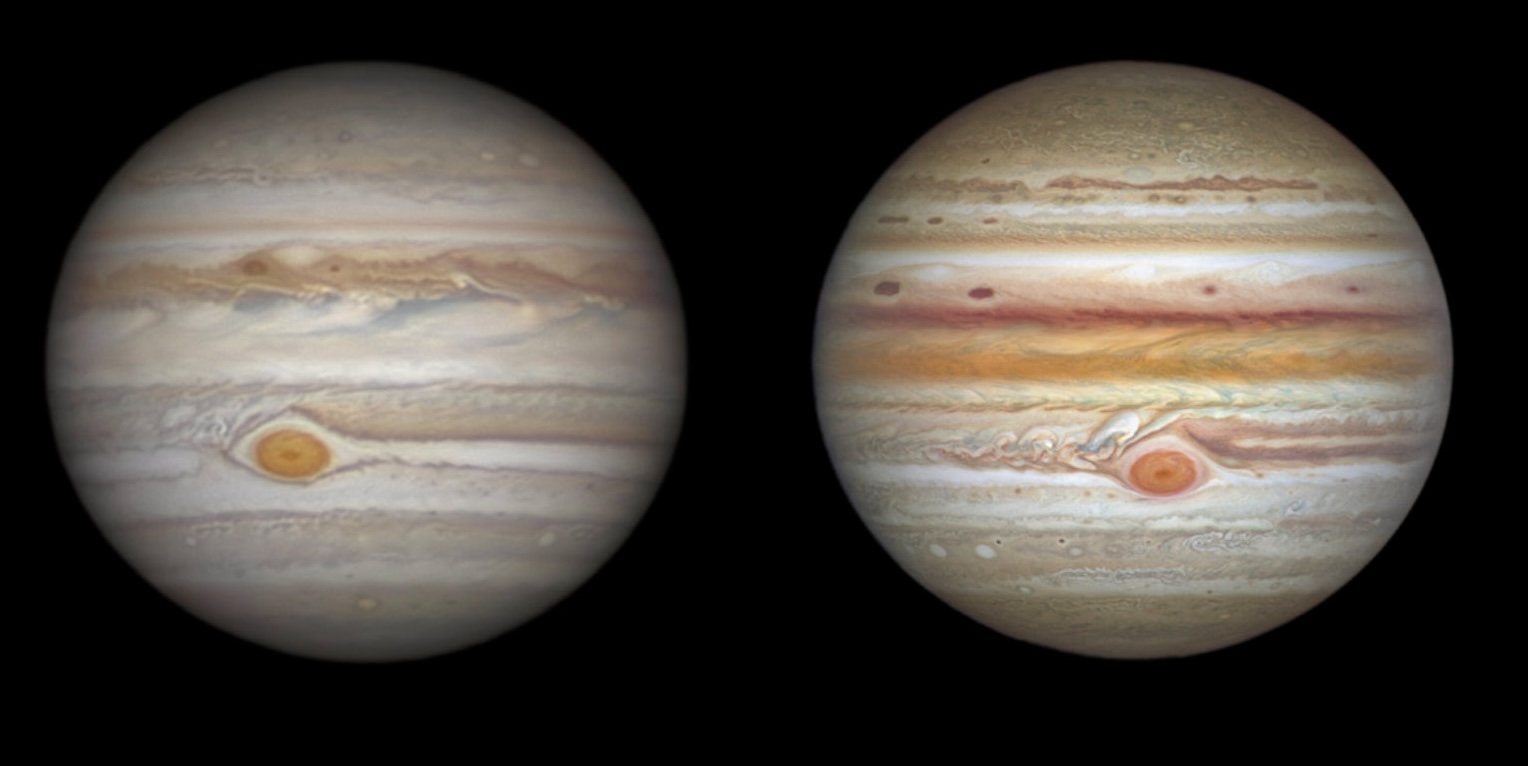
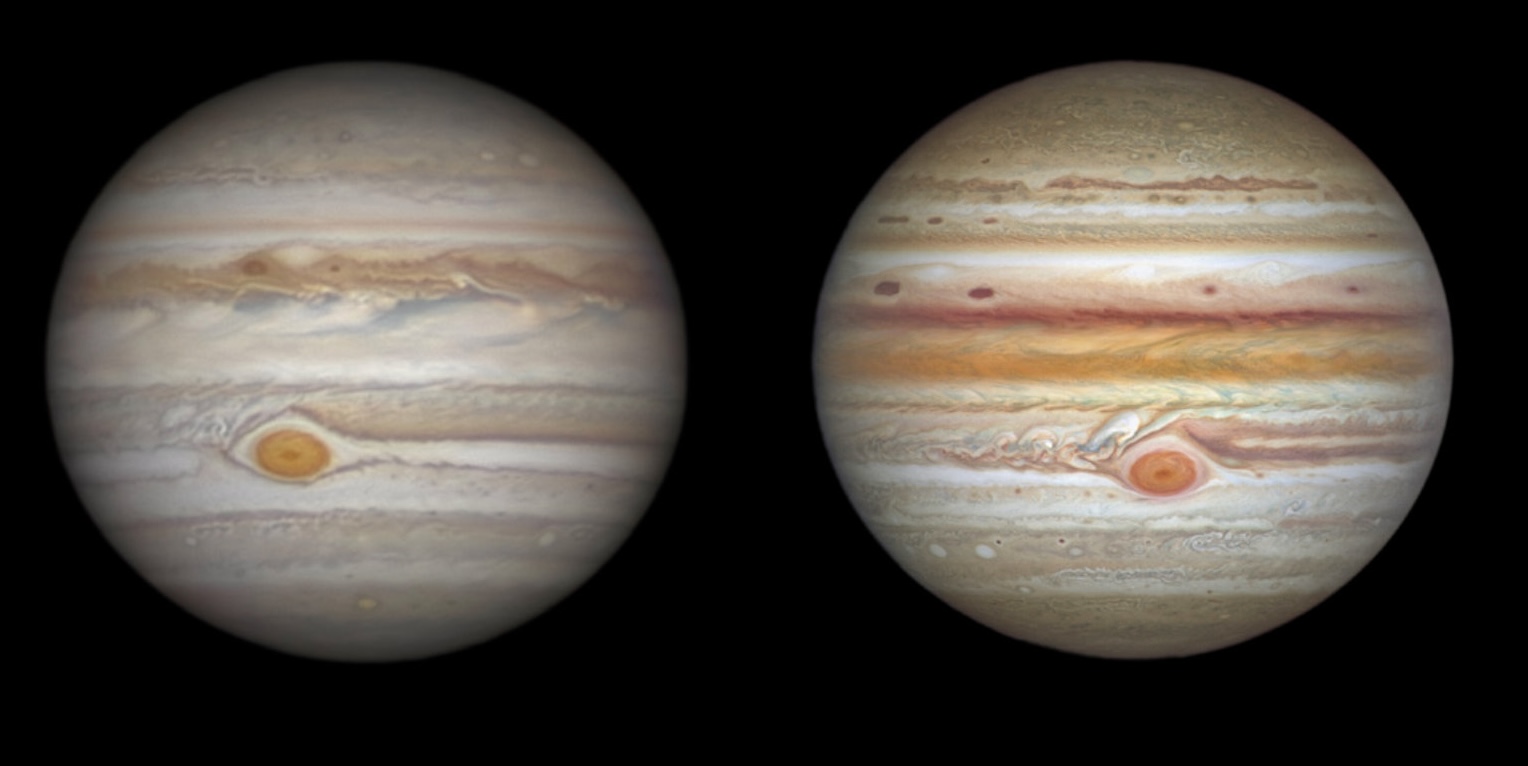 Pair of Jupiters
The planets are the among the most rewarding targets for backyard telescopes, but they can also be the most challenging. Although planetary observing is all but immune to the effects of light pollution, it is particularly sensitive to atmospheric turbulence — what astronomers refer to as “seeing” — the principal enemy of telescope performance. Grappling with issues of optical design and thermal properties, aficionados strive for instruments optimized specifically for the task. In recent years, notions of what constitutes the best planetary telescope have embraced Voltaire’s axiom “the perfect is the enemy of the good,” often with surprising results. Atmospheric Limitations Historian and S&T Contributing Editor William Sheehan once compared planetary observing to “watching a motion picture in which the camera is out of focus except for an occasional sharp frame thrown in at random.” We observe from the bottom of a turbulent ocean of air that’s both the controlling and largely uncontrollable factor in determining the clarity of telescopic images. “The atmosphere,” lamented French astronomer André Couder, “is the worst part of the instrument.”
Unevenly heated from place to place, the atmosphere is filled with currents and eddies. Seeing is caused by moving cells of air at altitudes ranging from roughly 100 meters (328 feet) to more than 16 kilometers (10 miles). Because warm, rarefied air refracts light less than cool, dense air, these cells change the focal position of the image in a telescope by bending incoming rays of light differently. They have two distinct effects on a telescopic image. The image can be displaced laterally, causing it to move randomly around a mean position in the field of view. The image can also move inside and outside the telescope’s focal plane, giving it an undulating
appearance that’s only intermittently unblurred. Both effects invariably occur in combination to some degree.
By keeping a patient vigil at the eyepiece, an observer can enjoy those magic moments that Percival Lowell called “revelation peeps.” The human eye-brain combination is a remarkably powerful differentiating sensor that can reject poor images while retaining impressions of fleeting moments of clarity. That’s why as recently as the late 1970s and early 1980s the eagle-eyed visual observer Stephen O’Meara was able to discover the ephemeral spokes in Saturn’s B ring (S&T: Aug. 2022, p. 28) and determine the rotation period of Uranus (S&T: Sep. 2012, p. 54) using only a 9-inch refractor.
It wasn’t long after the dawn of the 21st century that the unrivalled supremacy of the eye ended abruptly. Planetary observing was radically transformed in the span of only a few years by inexpensive webcams equipped with efficient sensors that took tens of frames every second, combined with free software like Registax that could automatically select and combine the sharpest ones. At the trifling expense of little more than $100, it suddenly became possible to capture planetary details beyond the grasp of even the most skilled visual observer using the same instrument under the same conditions. This paradigm shift gave backyard astronomers unprecedented opportunities to contribute to planetary science. Professionals soon began to increasingly rely on dedicated amateurs to monitor the planets, often in support of spacecraft missions.
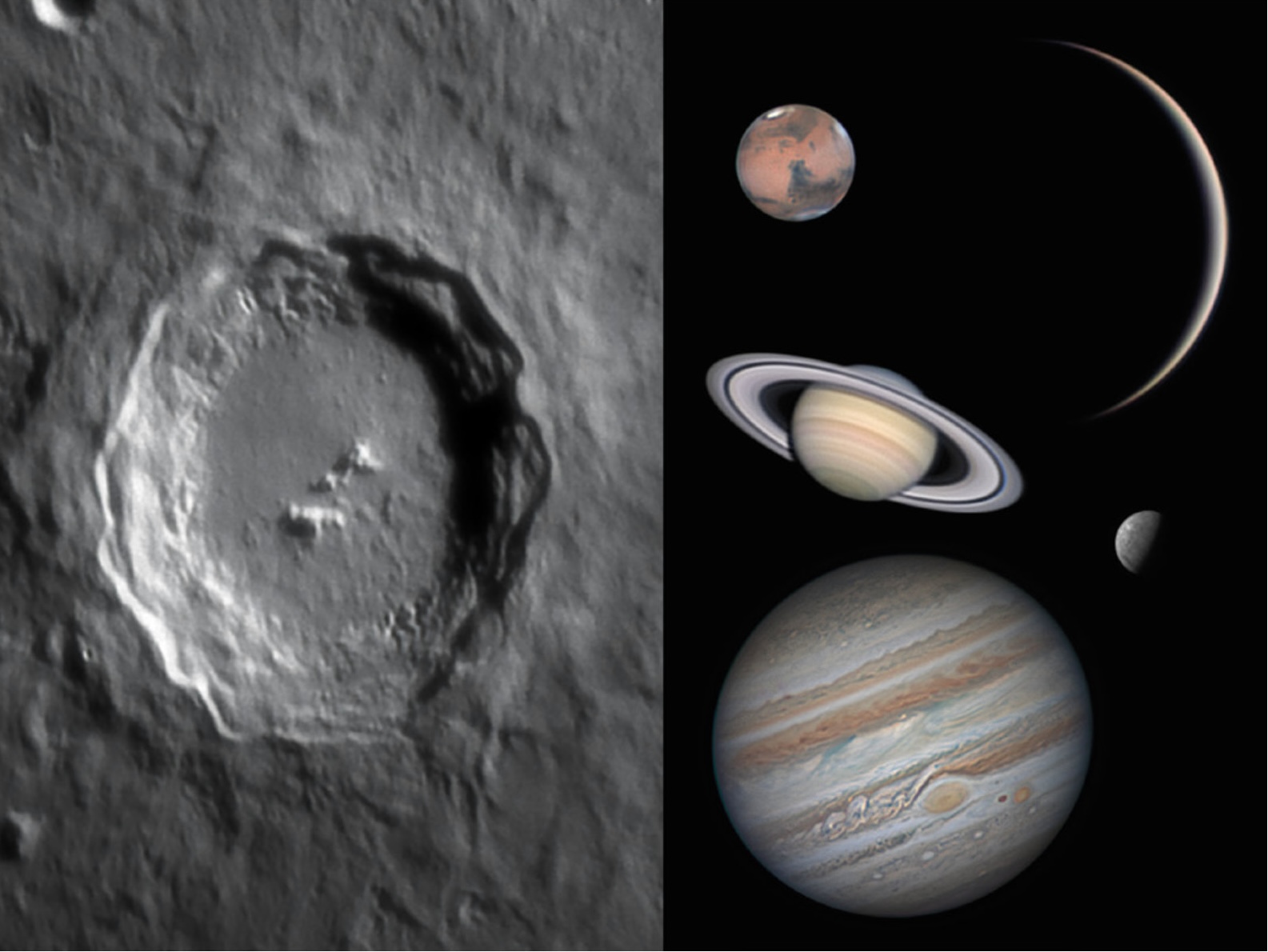 DISTANT TARGETS The planets all appear smaller than large lunar craters. This composite shows the crater Copernicus and the major planets, all recorded at the same image scale through a 121⁄2-inch Newtonian reflector.
Well over a century and a half ago, planetary observers realized that a large telescope is no guarantee of better planetary performance, even if its optical quality is beyond reproach. Large apertures are disproportionately handicapped by atmospheric turbulence (S&T: Nov. 2018, p. 52). Some of the world’s finest locations when it comes to seeing are mountaintop observatories located where the laminar winds have crossed many miles of ocean. Even at sites like Mauna Kea in Hawai‘i and La Palma and Tenerife in then Canary Islands, atmospheric turbulence on most nights limits resolution to 0.3 arcseconds, the theoretical resolving power of a 15-inch telescope. On rare nights, seeing can approach 0.15 arcseconds. Instruments with apertures smaller than 8 inches are certainly capable of providing very satisfying views of the planets, but they fall short in terms of resolving power and image brightness, especially when used for imaging. A dim image requires increasing the exposure time, which blurs the resulting image more in typical seeing conditions. Under excellent conditions, a 10- to 14-inch instrument of high quality can capture at least 75% of what can typically be recorded on the brighter planets through even the largest ground-based instruments.
 Cave Optical / Public Domain
A Question of Contrast
Cave Optical / Public Domain
A Question of Contrast
With the exceptions of the Cassini Division in Saturn’s rings and the shadows cast by Jupiter’s Gali- lean satellites, planetary features are subtle, low-contrast shadings colored in delicate, pastel hues. Consequently, generations of ardent visual planetary observers favored optical designs that maximize image contrast — refractors, long-focus Newtonians, and even exotic, tilted-component telescopes like the schiefspiegler.
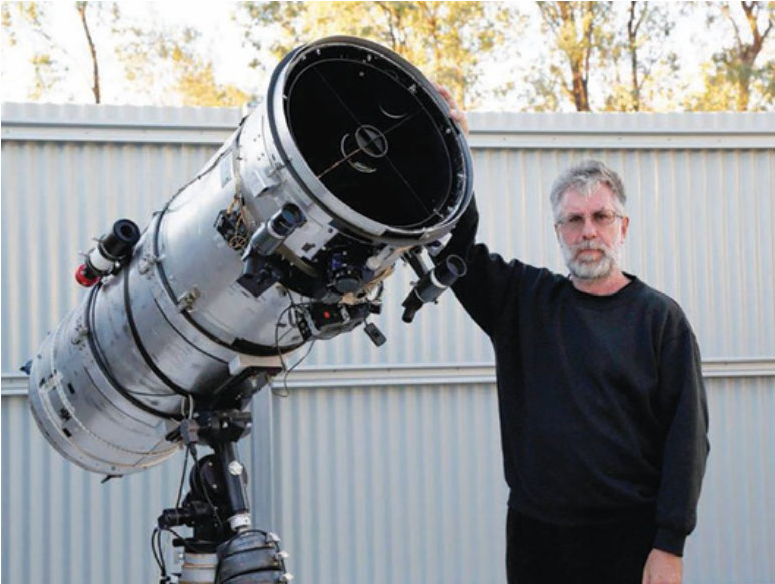 SHORTER, FASTER Despite its large secondary mirror, Anthony Wesley’s 16-inch f/4 Newtonian reflector has captured some of the finest images of the planets ever taken from Earth.
 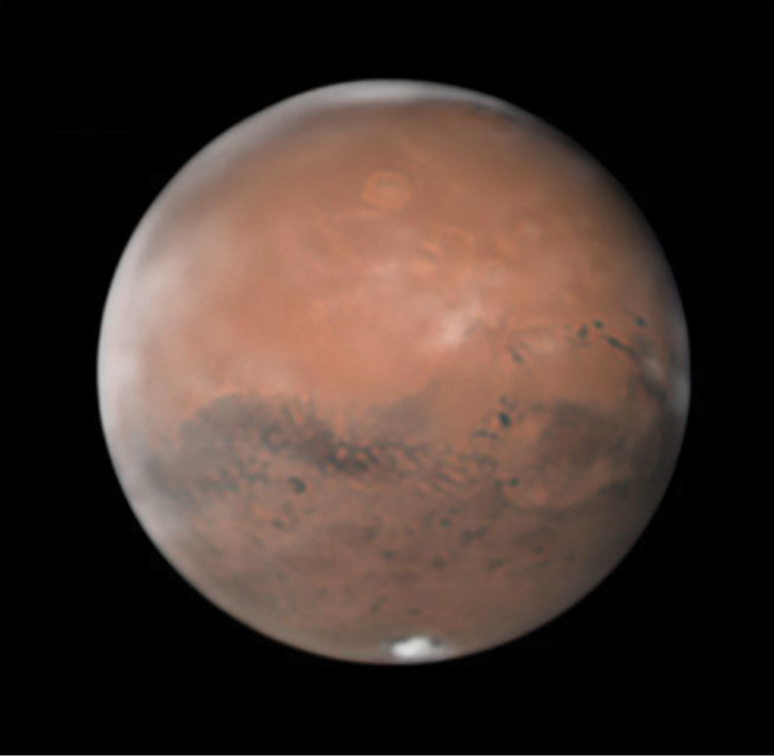 Wesley's remarkably detailed image of Mars at right was recorded on October 4, 2020.
In any telescope, the image of a point source of light like a star is a diffraction pattern consisting of the Airy disk (named after English astronomer George Biddell Airy) surrounded by a set of concentric, faintly luminous diffraction rings. In an optically perfect, unobstructed telescope (such as a refractor), the Airy disk contains 84% of the total light in the image, and the remaining 16% is distributed into the diffraction rings.
Introducing a central obstruction 20% the diameter of the aperture (the typical size of the diagonal mirror in an f/6 to f/8 Newtonian reflector) redistributes light in the diffraction pattern, reducing light in the Airy disk to 76% while the increasing light in the diffraction rings to 24%. A 33% central obstruction (a typical size for the secondary mirror of a Cassegrain reflector and its catadioptric cousins, the Schmidt-Cassegrain and Maksutov-Cassegrain) reduces the amount of light in the Airy disk to 68% while increasing energy in the diffraction rings to 32%. The effect is similar to a wavefront error of 1⁄4-wave, the so-called Rayleigh Criterion for diffraction-limited optical quality.
 CONTRAST REDUCTION The secondary mirror in Newtonian and Cassegrain optical systems redistributes light from the Airy disk into the diffraction rings, reducing the contrast of planetary features. The above simulation created in the program Abberator shows the diffraction patterns of an unobstructed telescope at left compared to scopes with 20% and 33% obstructions.
 Increasing the amount of light in the diffraction rings doesn’t have a dramatic effect on stellar images. But it does reduce the contrast of features in the extended image of a planet, which consists of a mosaic of minute points of light, each one the size of the Airy disk. Over these points, a thin veil composed of the combined faint light of the diffraction rings is superimposed. More light in the diffraction rings means reduced image contrast.
Volumes have been written about the evil effects of central obstruction, but there is surprisingly little agreement about their severity, even among optical experts. Laboratory experiments using greyscale test charts suggest that the decrease in image contrast produced by a 20% central obstruction is perceptible but not objectionable. Above 40% there is a universal consensus that it poses a serious handicap.
In 1993 optical engineer William Zmek published a comprehensive mathematical analysis of the effects of central obstruction on planetary images (S&T: July 1993, p. 91, and September 1993, p. 83). He concluded that “the performance of a centrally obstructed telescope on low-contrast detail is the same as that of an unobstructed telescope of somewhat smaller diameter.”
Zmek proposed that when it comes to contrast performance, the effective diameter of a planetary telescope equals its clear aperture minus the diameter of its central obstruction. According to this rule of thumb, a 10-inch telescope with a 3-inch obstruction will perform the same on the planets as a 7-inch unobstructed telescope of equal optical quality.
How does this theory hold up under real-world conditions? To many it’s unduly pessimistic. Veteran observer Roger Gordon notes that, according to Zmek’s rule, a 7-inch Questar Maksutov-Cassegrain with its 2.4-inch (34%) central obstruction should only be equivalent in planetary performance to an unobstructed 4.6-inch instrument. Yet in side-by-side comparisons with a fine 6-inch refractor, Gordon found delicate Martian surface features equally visible in both scopes.
The size of a telescope’s central obstruction is less of a concern for imagers than for visual observers, because image-processing software makes it possible to increase contrast and color saturation with a computer keyboard. The comparatively small number of high-resolution planetary images taken through 8- to 10-inch apochromatic refractors — instruments long regarded as the ultimate planetary telescopes by many visual observers — aren’t discernibly better than images taken through more affordable telescope types of the same aperture.
Thermal ConsiderationsThe performance of any telescope can also be degraded by its own thermal properties. At most locations, the temperature on a clear evening falls at a rate of 2° to 3°C (3° to 5°F) per hour. When a mirror is warmer than the surrounding air, it produces a thin, turbulent boundary layer of warm air just above its surface that can blur the image every bit as much as turbulence thousands of meters overhead. French master optician Jean Texereau determined that a thermal gradient of only 0.13°C along a one-meter light path degrades the wave-front error of a telescope by 1⁄4-wave.
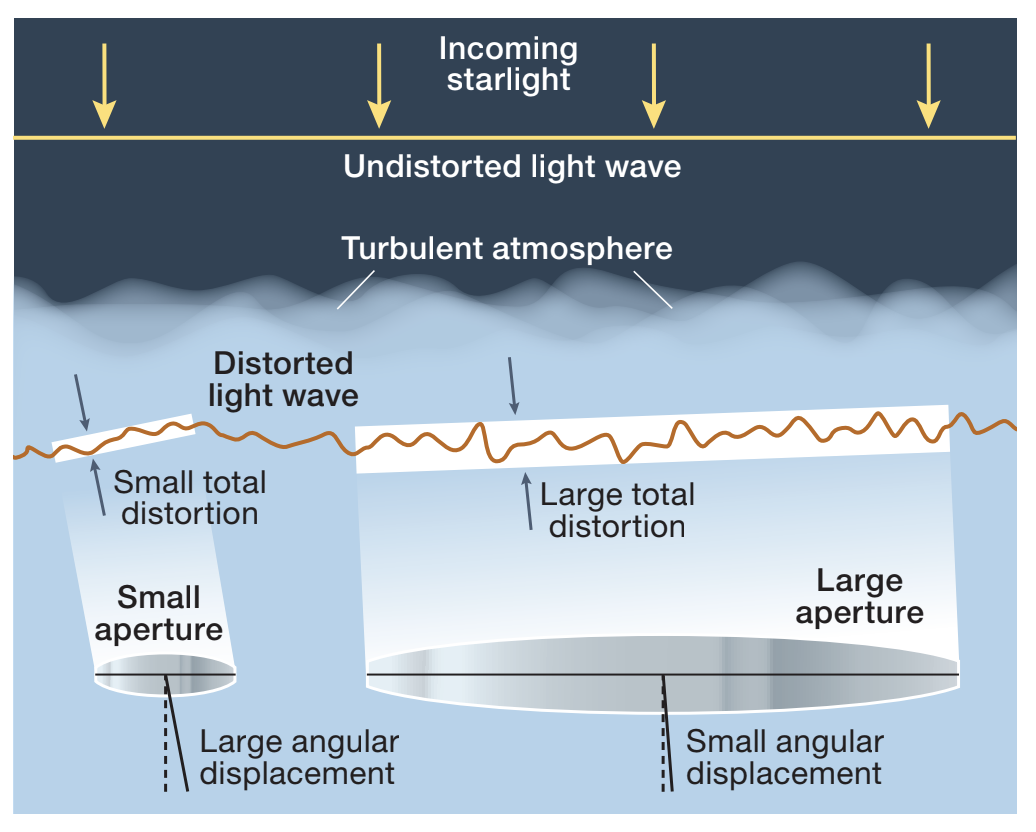 SCINTILLATING SKIES The effects of atmospheric seeing on small and large telescopes is shown here. Light arriving from the target (a planet or star) is distorted by the turbulent atmosphere. When the distorted wavefront enters a telescope, its average “tilt” determines the target’s position, while the total range of distortion influences the blurriness of the view. A small-aperture telescope suffers a larger displacement but less distortion, so the target appears relatively sharp but dances around. A large telescope displays a blurry view that remains relatively stationary.
 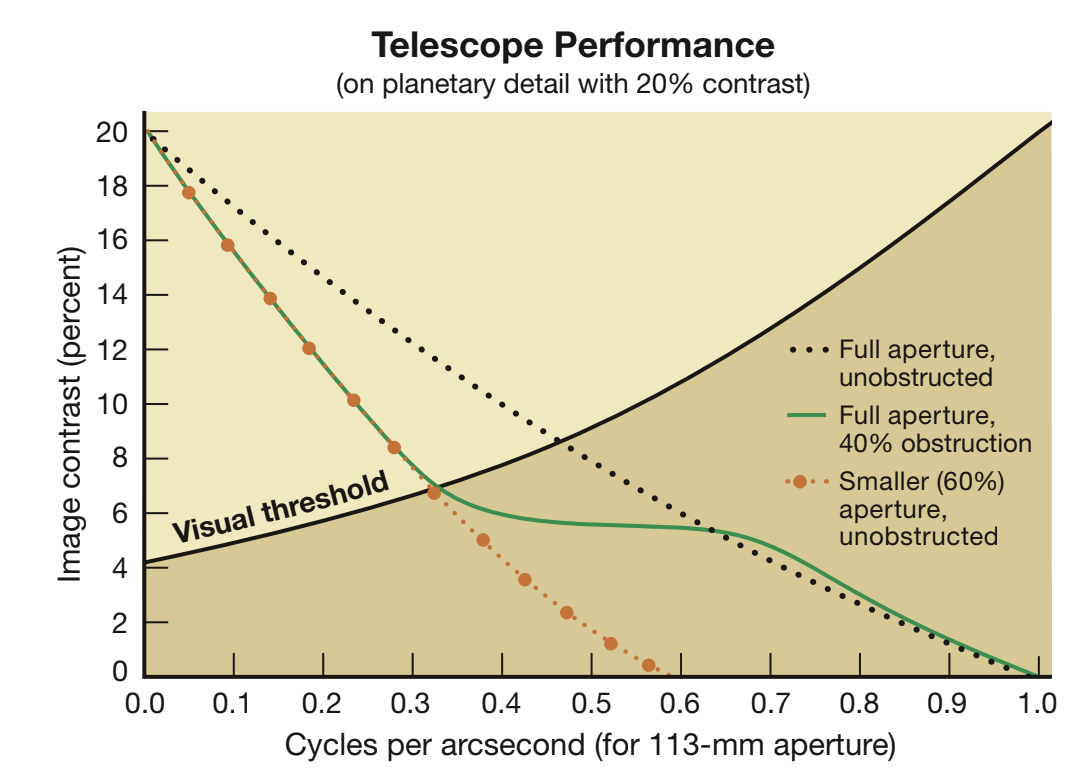 PLANETARY PERFORMANCE The graph above shows the image contrast of typical planetary features as seen in a telescope with a central obstruction 40% of the diameter of the primary mirror. The red dotted line depicts the contrast in a smaller, unobstructed telescope. The visibility of low-contrast features in the smaller instrument (in the region above the visual threshold) is nearly identical to the larger obstructed one.
 The use of a fan to sweep away the boundary layer and accelerate mirror cooling was pioneered in the 1920s by William Henry Pickering while observing with a 12-inch Newtonian. He reported that with “with poor seeing due mainly to currents in the upper air the resulting improvement is not marked, but with good seeing it is most striking.”
The airflow provided by a fan makes the air mass throughout the light path more thermally (and hence optically) homogeneous. Convection produced by heat exchange along the inner walls of a telescope’s tube is also a source of turbulence in the light path, which a fan can eliminate. Additionally, ventilation improves the performance of closed-tube systems like SCTs and Maksutov-Cassegrains. Today, cooling fans are integral components of several commercial telescopes as well as popular aftermarket accessories.
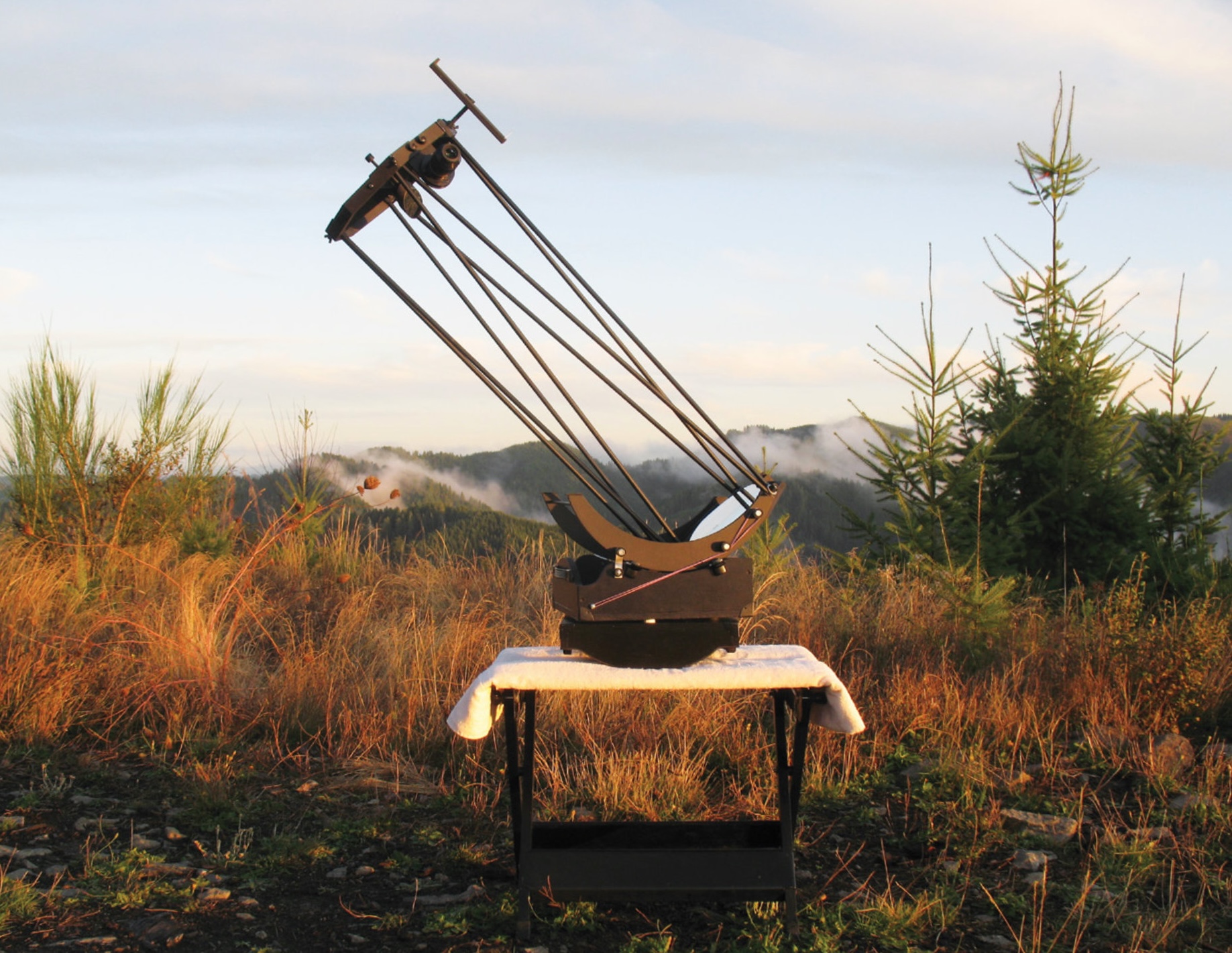
The thickness of the primary mirror plays a large part in its ability to perform to its full potential. For well over a century, most Newtonians employed primary mirrors with a thickness-to-diameter ratio of 1:6. While these “full thickness” mirrors were relatively easy to support mechanically, their sheer mass and thermal inertia resulted in prohibitively long cool-down times with optics thicker than about 2 inches. In recent years, thinner primary mirrors with a thickness-to-diameter ratio of 1:10 to 1:15 have come into widespread use. Combined with fans, they have largely overcome the Newtonian reflector’s principal shortcoming — thermal equilibration.
Which Way Is Up?The direction of “up” isn’t usually important in astronomy — there is no “up” in space. However, for planetary observers and imagers, the altitude of a planet affects the image that any telescope produces. Earth’s atmosphere acts like a weak prism when observing targets moderately low in the sky, smearing the light of the target into a tiny spectrum — a phenomenon known as atmospheric dispersion (S&T: Aug. 2003, p. 124). This effect occurs across the entire disk of the planet, effacing minute detail. Atmospheric dispersion is perceptible at altitudes of up to nearly 60° above the horizon.
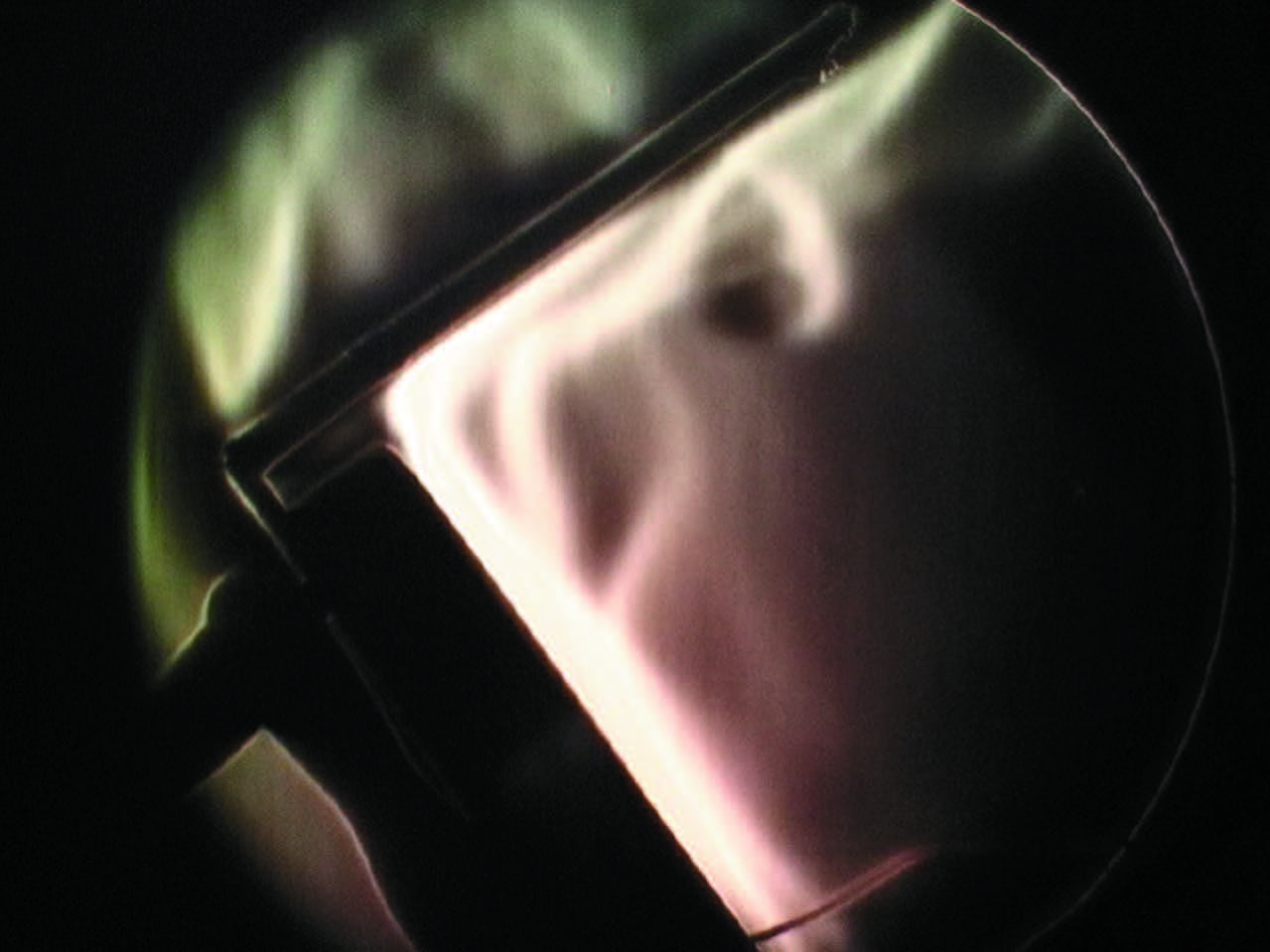 THERMAL PROPERTIES Cooling primary mirrors produce a boundary layer of warm air (seen here edge-on in a Schlieren image) that persists as long as there is a temperature difference between the glass and the surrounding air. This rising plume of warm air also flows along the tube, producing tube currents.
 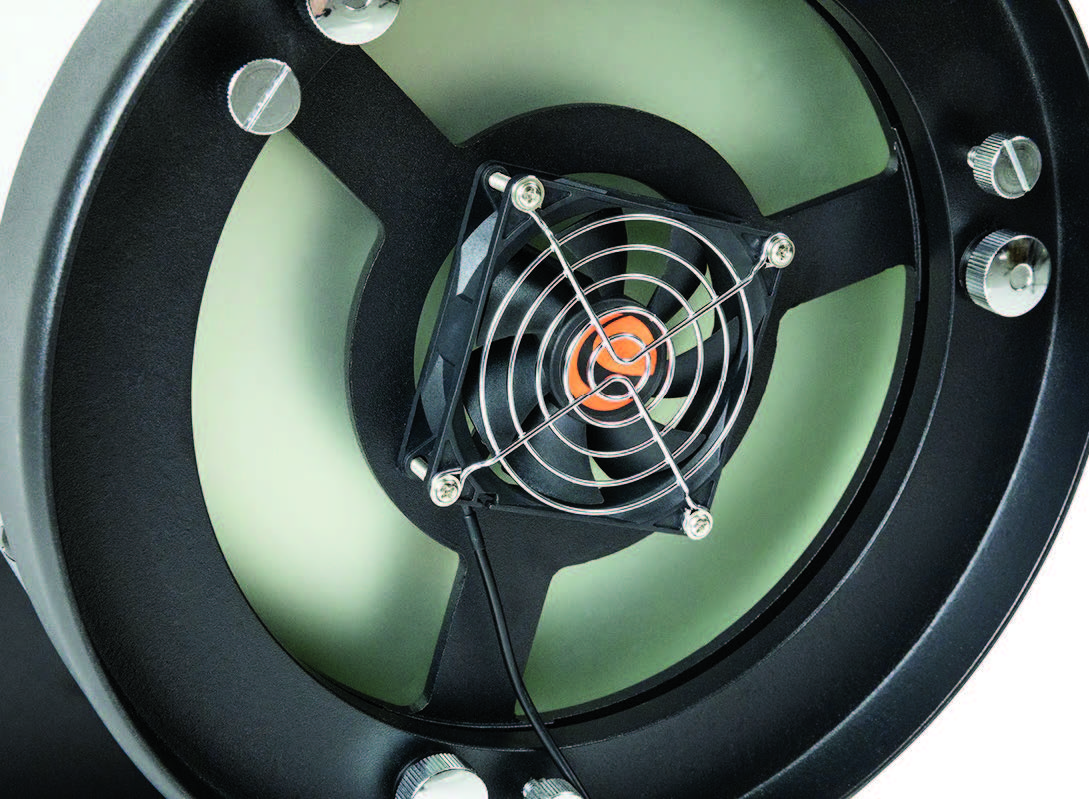 TECHNOLOGICAL ASSIST Many companies offer fans and other accessories to shorten the time it takes for the optics to reach ambient temperature. Fans also inhibit dew formation because they prevent the mirror from cooling below the dewpoint temperature.
 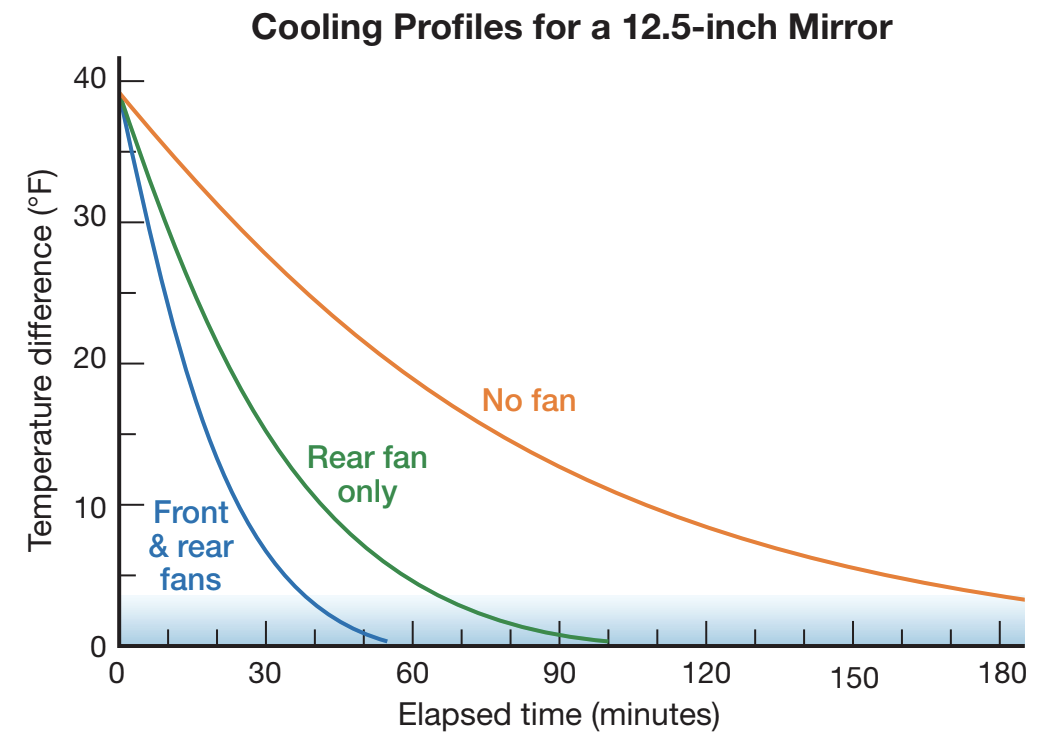 FASTER COOLING Newtonian primary mirrors benefit greatly from having fans blowing on both their rear and front faces. Using a single fan blowing on the rear of the mirror, this 12.5-inch-diameter, 2-inch-thick Pyrex mirror sheds heat twice as fast. Adding a second fan blowing across the front of the mirror cuts the time to less than 60 minutes.
 Fortunately, visual observers and imagers alike can tune out the effects of atmospheric dispersion by using a small device called an atmospheric-dispersion corrector (ADC). An ADC fits into a telescope’s focuser and incorporates a pair of wedge prisms in an adjustable housing. Changing the orientation of these prisms cancels out prismatic dispersion.
These fairly inexpensive devices can be essential to getting the best views and images from locations far from the equator where the ecliptic is low in the sky. But the key to their use is they must be oriented parallel to the horizon. This alignment is simple with catadioptric telescopes, in which the focuser is at the back of the telescope. Users of Newtonian reflectors, in which the focuser is seldom parallel to the horizon, find it more difficult to determine which way is up through their telescope to align the ADC precisely.
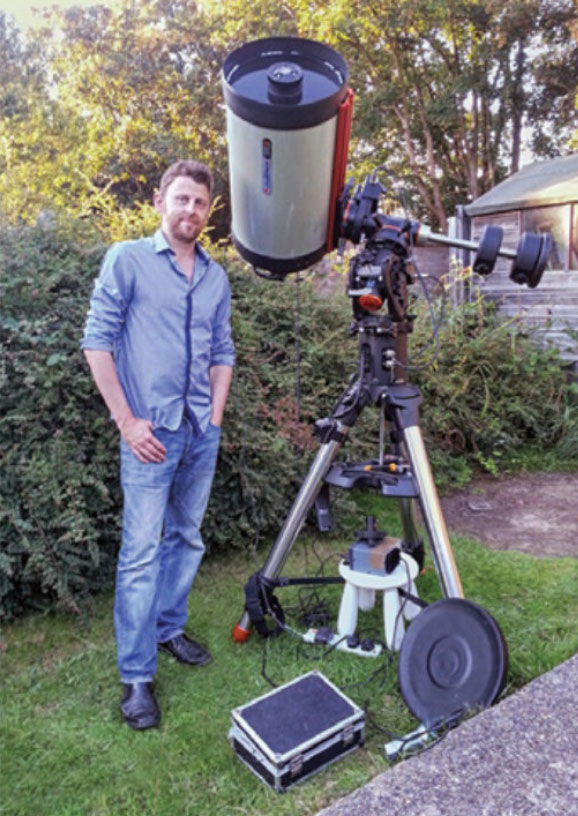 PLANETARY MASTER Damian Peach of the United Kingdom is possibly the most talented planetary imager today. He images the planets primarily with a Celestron C14 Schmidt-Cassegrain. The C14’s secondary mirror produces a 32% obstruction yet doesn’t detract from the quality of his work.
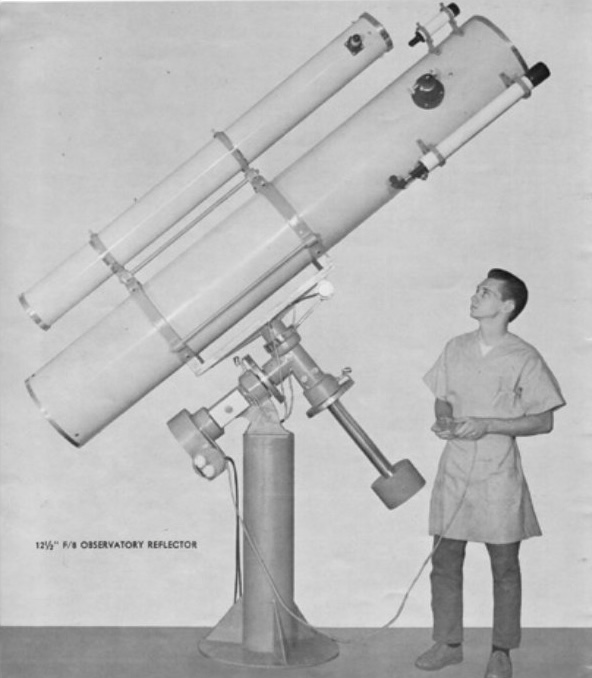
 In a marketplace dominated by extremely compact catadioptric telescopes, fast focal ratios of about f/5 have become the norm for the current generation of large commercial Newtonian reflectors. Such steep light cones are often fitted with larger diagonal mirrors and are far more sensitive to miscollimation than the classic f/8 Newtonian and were long regarded as ill-suited to planetary work. But in the hands of skilled amateurs like Anthony Wesley and Trevor Barry, fast Newtonians regularly capture superb images of the planets.
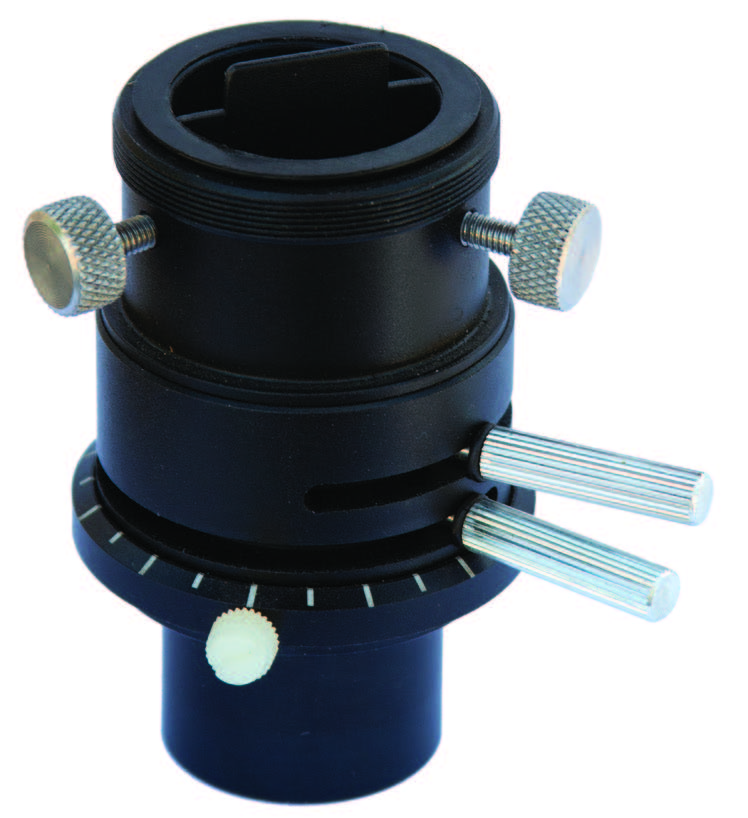 DISPERSION CORRECTION Tools like ZWO’s atmospheric-dispersion corrector (ADC) allow planetary observers and imagers to enjoy color-fringe-free views of the planets low to the horizon by tuning out the prismatic dispersion introduced by Earth’s atmosphere.
 Despite their compactness, portability, and affordability, Schmidt-Cassegrain telescopes (SCTs) were long viewed with disdain by planetary observers. Detractors were quick to point out their large, contrast-robbing central obstructions and sensitivity to even a slight loss of collimation. However, these failings paled in comparison to their variability in optical quality, particularly during the latter half of the 1980s. While some good specimens were produced, it was very much a hit-or-miss affair. During the late 1990s, both the optical quality and the consistency of SCTs improved dramatically due to better fabrication techniques, more stringent quality control, and increasingly sophisticated consumers. Today, SCTs are employed by many of the world’s leading planetary imagers, notably Damian Peach and Christopher Go. Their work has dispelled any notion that SCTs are ill-suited to planetary work.
The advent of video imaging irrevocably changed planetary observing and relegated visual observers to the status of telescopic tourists in many ways. While long-focus Newtonians and refractors are destined to remain the choice of discriminating visual observers, the most successful solar system imagers today use telescopes that were widely regarded as unacceptable compromises a generation ago. By taking great pains to ensure that their instruments are precisely collimated and in thermal equilibrium with their surroundings, they routinely achieve astonishing results that were the stuff of dreams only a generation ago.
This article originally appeared in the January 2023 issue of Sky & Telescope.
Comments (0)